 EN
EN  AR
AR NL
NL FR
FR HI
HI KO
KO PT
PT RU
RU ES
ES TL
TL ID
ID VI
VI TH
TH TR
TR MS
MS SW
SW UR
UR BN
BN HA
HA KM
KM LO
LO PA
PA YO
YO MY
MY SI
SI AM
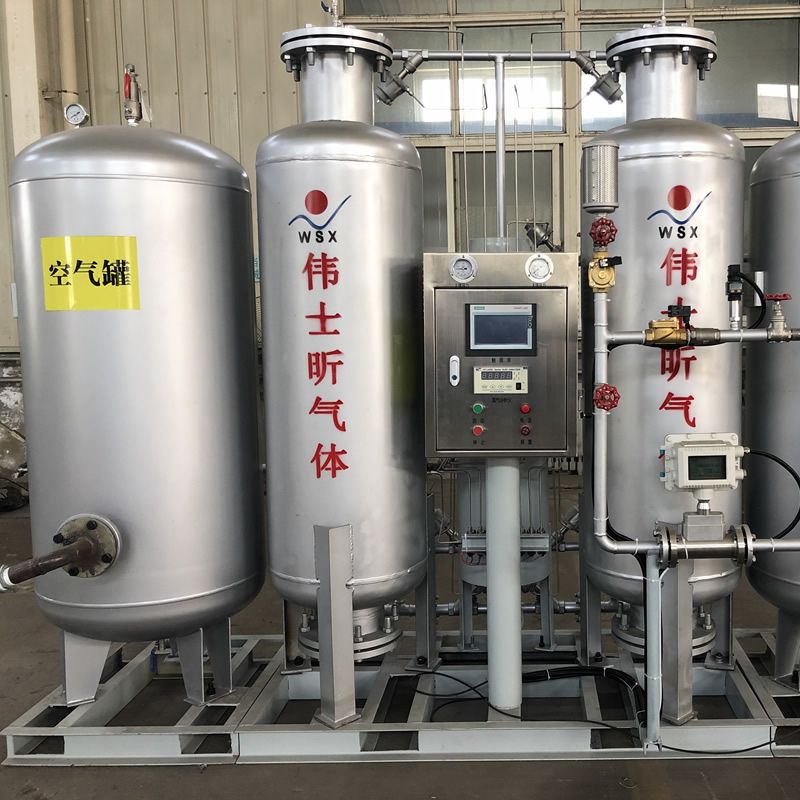
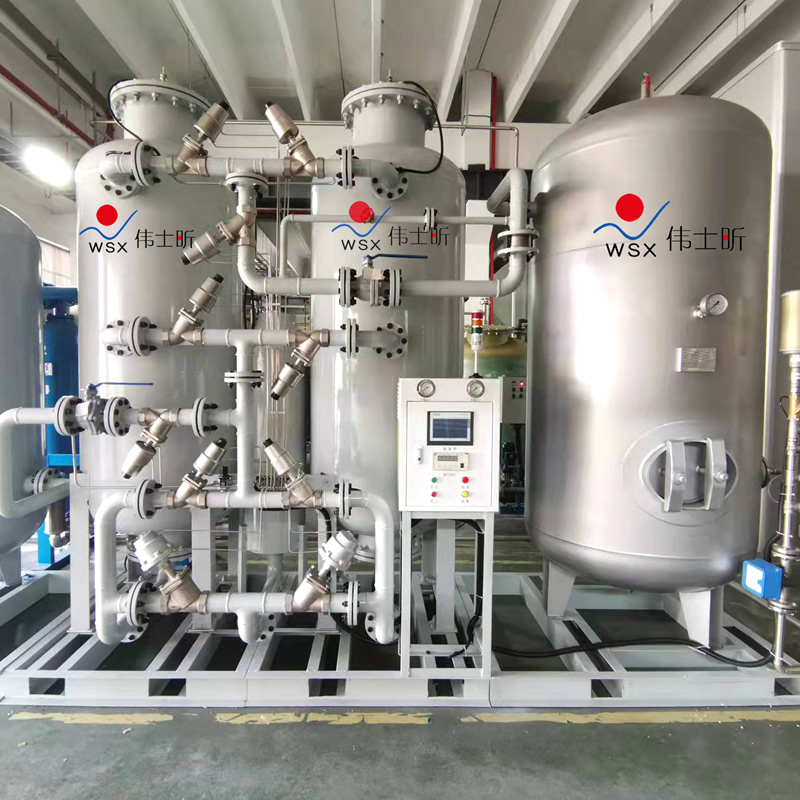
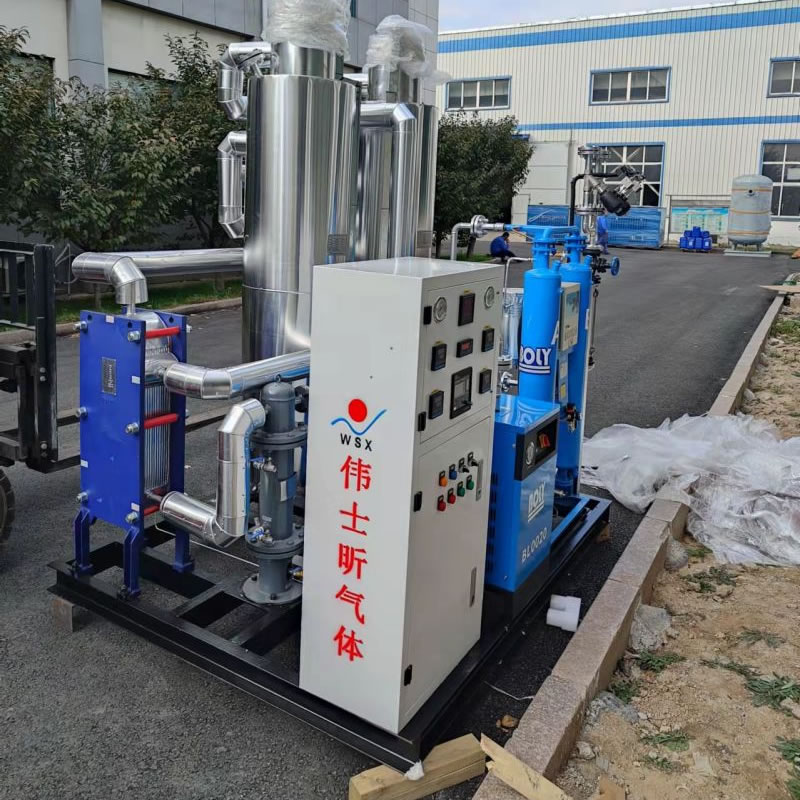
AMThe essence of nitrogen injection for fire prevention and extinguishing is to inject a certain flow of nitrogen into the oxidation zone or fire area of the goaf, reducing its oxygen content to below 10% or 3%, achieving the purpose of fire prevention, extinguishing, and suppressing gas explosions. Its functions include:
Eliminate the danger of gas explosions
Once a fire occurs in the goaf of a coal mine, the greatest danger is the explosion of the mixed gas inside. According to the triangle of mixed gas explosion, if the oxygen content in the mixed gas is less than 12%, there is a possibility of reducing the explosion. However, the boundary of mixed gas explosion depends not only on the percentage of this gas in the air, but also on the temperature and pressure of the mixed gas. The increase in temperature and pressure widens this boundary, and vice versa. If the mixed gas is heated to 300 ℃ and the oxygen content is 9%, an explosion can occur.
Cooling effect
For goaf areas with internal fire hazards, their temperature is higher than the external temperature. When nitrogen is used for fire extinguishing, whether liquid nitrogen or nitrogen is used, the temperature of the nitrogen is lower than the gas temperature in the fire zone. In addition, the flow range of nitrogen after injection into the fire zone is large, which has a significant cooling effect on the goaf.
Prevent natural heating and spontaneous combustion of coal
The three elements of coal spontaneous combustion are: coal has a tendency towards spontaneous combustion; There are continuous oxygen supply conditions; Heat is prone to accumulate. If the air leakage in the oxidation zone of the goaf in the coal mine production face is insufficient to take away the heat generated by coal oxidation, the coal temperature gradually increases, and the coal is in a natural heating state. When the temperature reaches above the critical temperature of coal, oxidation and rapid aggregation accelerate, generating a large amount of heat and causing the coal temperature to rise rapidly. When the ignition temperature of coal is reached, it ignites and burns, entering a state of spontaneous combustion. Injecting a certain flow rate of nitrogen into the oxidation zone of the goaf in the working face to reduce the oxygen content in the zone, which is a key factor in destroying coal spontaneous combustion, and reducing its oxygen content below the critical value of coal spontaneous combustion, thus achieving the goal of preventing coal spontaneous combustion.

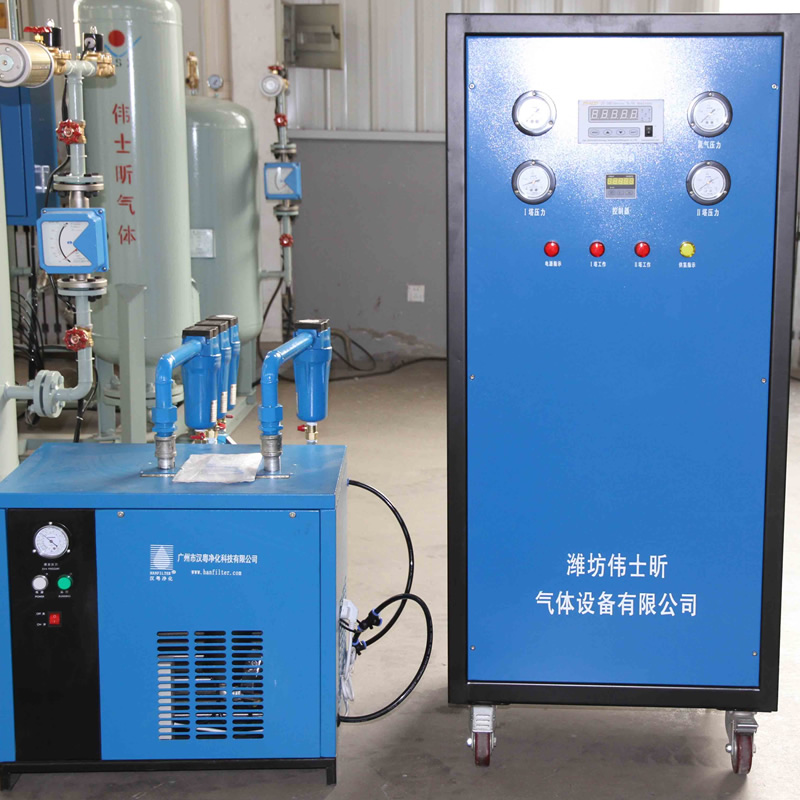
Wei Fang Wei Shi Xin Gas Equipment Co., Ltd. was established in July 2003. It is located at No.5111 Yingqian Street, Weifang National High-tech Development Zone, Shan Dong Province. The company covers an area of 20000 square meters and has a building area of 11,000 square meters. It is a specialized company that specializes in the research and development production of pressure swing adsorption and membrane separation nitrogen, oxygen and gas boosting, purification and other equipment.