 EN
EN  AR
AR NL
NL FR
FR HI
HI KO
KO PT
PT RU
RU ES
ES TL
TL ID
ID VI
VI TH
TH TR
TR MS
MS SW
SW UR
UR BN
BN HA
HA KM
KM LO
LO PA
PA YO
YO MY
MY SI
SI AM
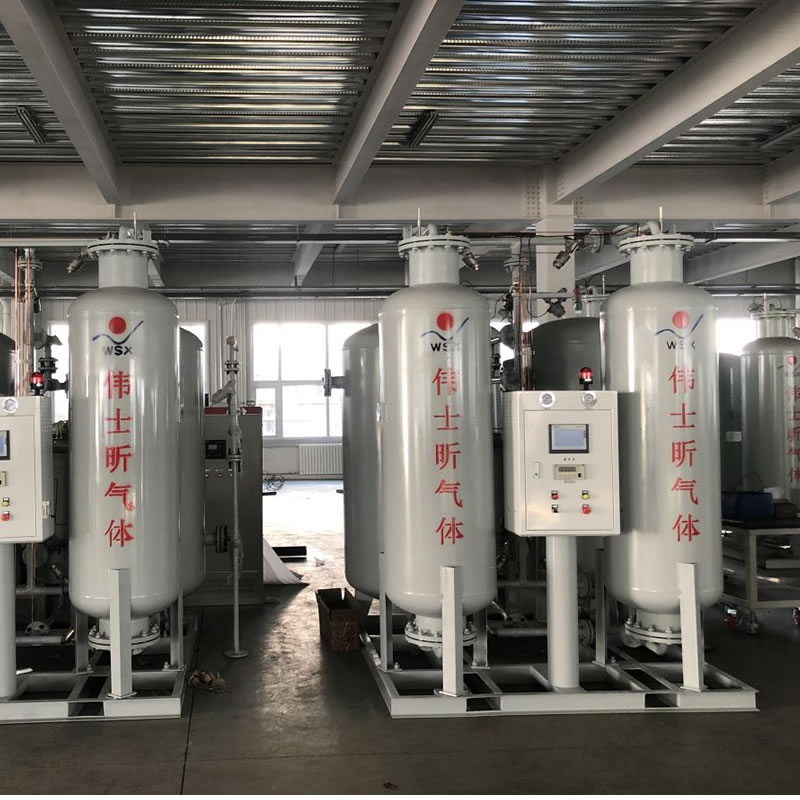
AMNitrogen generators are designed to provide a stable supply of nitrogen for factories, laboratories, and many industrial processes. Like any other equipment, they need regular care to keep running safely and efficiently. Small issues such as dirty filters, air leaks, unusual pressure changes, or delayed maintenance can reduce performance and increase operating costs over time. A proper maintenance routine helps prevent unexpected shutdowns and extends the working life of the machine. This guide will explain practical daily checks, common troubleshooting methods, and simple steps that operators can follow to keep nitrogen generators in good condition for years.
Regular Maintenance of Carbon Molecular Sieve to Prevent Rapid Purity Decline

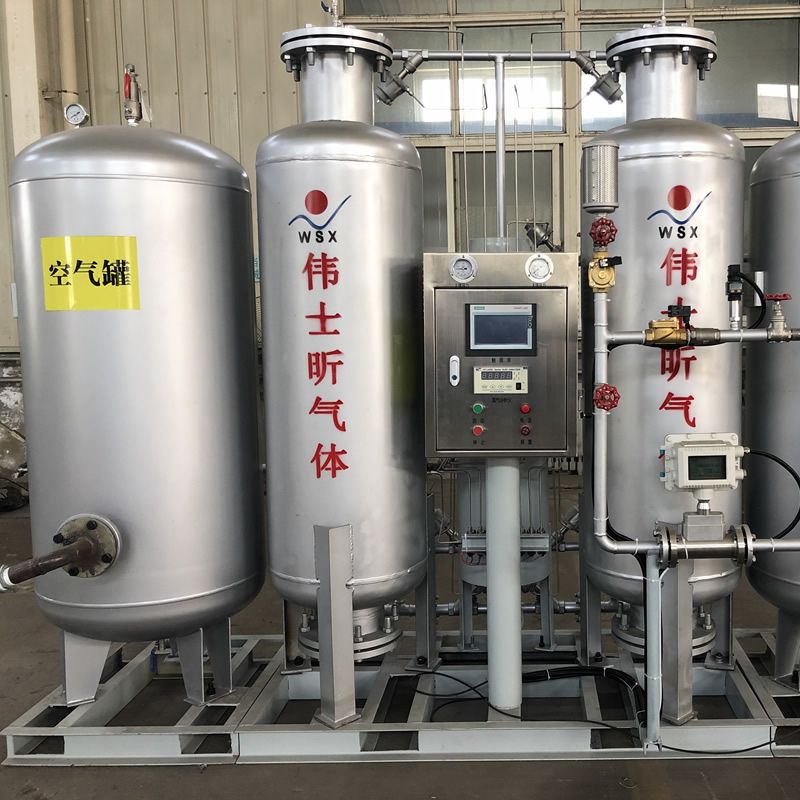
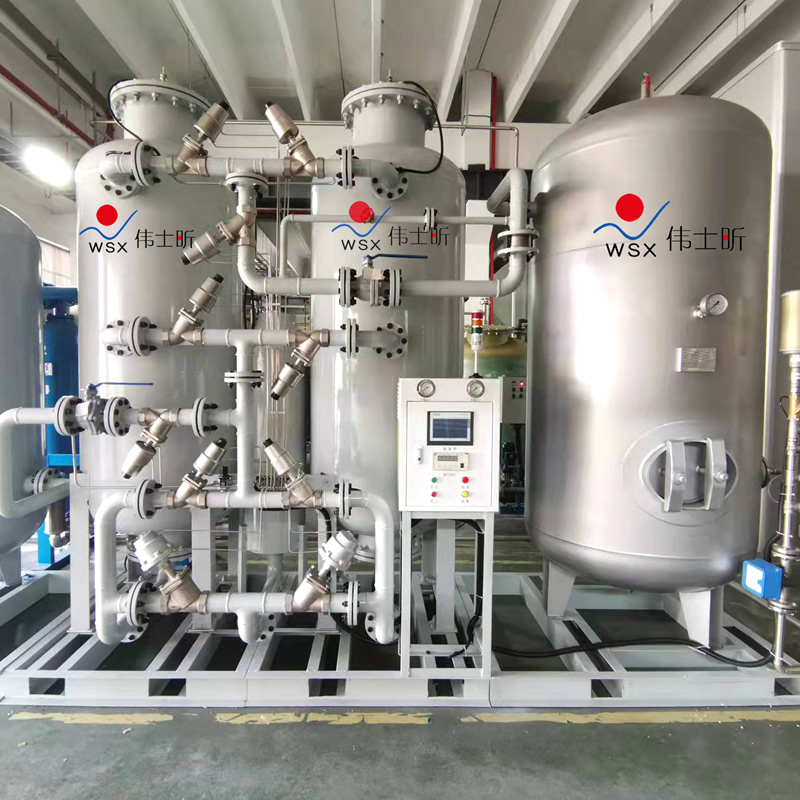
Carbon molecular sieve (CMS) is one of the most important parts inside a PSA nitrogen generator because it separates oxygen from nitrogen and helps produce the required nitrogen purity. Over time, CMS can lose performance if it is exposed to oil, moisture, dust, or improper operating conditions. When this happens, nitrogen purity may slowly drop, causing production problems for industries that require stable gas quality. Regular maintenance does not only mean replacing the CMS when there is a serious issue. It also means protecting the material, checking operating conditions, and finding early warning signs before performance declines.
One common reason for rapid CMS aging is poor compressed air quality. Before air enters the nitrogen generator, it should pass through filters and drying systems that remove oil, water, and solid particles. For example, a food packaging factory once experienced unstable nitrogen purity after several months of operation. After inspection, technicians found that a damaged air filter allowed moisture to enter the adsorption towers. The wet CMS could no longer separate oxygen efficiently, causing purity levels to fluctuate. Replacing the damaged filter and improving drainage helped restore stable operation.
Operators should check the condition of pre-filters and air dryers according to the equipment schedule. Drain valves, automatic drains, and filtration units should be inspected regularly to make sure collected water and oil are removed properly. Even a small amount of oil contamination can reduce the adsorption ability of CMS and shorten its service life.
It is also important to monitor nitrogen purity, pressure changes, and cycle times. A gradual purity decrease may be an early sign that CMS performance is weakening. If the equipment requires longer adsorption cycles or higher air input to maintain the same output, the CMS may need inspection.
Avoid opening the adsorption tower frequently because outside air and dust can enter the system. When CMS replacement is needed, use the correct material type and filling method recommended for the nitrogen generator design. Proper filling density helps maintain airflow balance and prevents uneven adsorption.
With clean compressed air, regular inspections, and careful operation, carbon molecular sieve can maintain stable performance for a long period. Good CMS maintenance reduces downtime, lowers replacement costs, and helps nitrogen generators deliver reliable purity for daily production needs.
Standard Replacement Cycle of Filters for Air Compressor Matched Nitrogen Generators

Filters play a key role in protecting nitrogen generators because they remove oil, water, dust, and other particles from compressed air before it enters the separation system. The air compressor and filtration system work together with the nitrogen generator, so poor filter maintenance can quickly affect nitrogen purity, equipment stability, and overall operating costs. Following a proper filter replacement schedule helps maintain clean airflow and prevents small problems from becoming major failures.
The replacement cycle of filters depends on several factors, including compressed air quality, working hours, factory environment, and the type of filter being used. In many industrial applications, pre-filters and fine filters are commonly checked every few months and replaced based on pressure difference, contamination level, or manufacturer recommendations. Some factories operating continuously may need more frequent replacement because the equipment runs 24 hours a day.
Different filters have different service periods. A dust filter usually needs attention when visible dirt builds up or when pressure loss increases. An oil removal filter requires closer monitoring because oil particles can damage the carbon molecular sieve inside the nitrogen generator. If the oil content becomes too high, nitrogen purity may drop quickly. Air dryers and automatic drain systems should also be checked because excessive moisture can shorten the life of downstream filters.
For example, a metal processing factory using a PSA nitrogen generator noticed that nitrogen purity became unstable after several months of operation. The nitrogen generator itself was working normally, but inspection found that the fine filter had not been replaced on schedule. The blocked filter increased pressure loss and allowed moisture buildup in the system. After replacing the filter elements and improving the maintenance plan, the nitrogen supply returned to a stable condition.
Operators should create a simple maintenance record that includes filter installation dates, running hours, pressure readings, and replacement history. This makes it easier to predict future replacement needs instead of waiting until performance problems appear. Checking pressure gauges before and after filters is also a useful way to find blockages early.
Regular filter replacement is a small maintenance task, but it has a big effect on nitrogen generator performance. Clean filters protect key components, support stable nitrogen purity, reduce unnecessary energy consumption, and help the entire system operate reliably for a longer time.
Solutions for Common Faults: Insufficient Nitrogen Output & Unstable Pressure
Insufficient nitrogen output and unstable pressure are two common problems that operators may face when running PSA nitrogen generator . These issues can affect production efficiency, product quality, and equipment reliability if they are not handled quickly. In most cases, the cause is not a major equipment failure but a problem with air supply, system settings, filtration, valves, or regular maintenance. Understanding the possible causes and checking the system step by step can help operators restore stable nitrogen production without unnecessary downtime.
When nitrogen output becomes lower than normal, the first thing to check is the compressed air supply. A nitrogen generator needs enough clean and stable compressed air to separate oxygen from nitrogen. If the air compressor cannot provide the required flow rate or pressure, the nitrogen output will drop. Operators should check compressor performance, air pressure readings, and whether there are leaks in the air pipes. A small leak in a long pipeline may seem harmless, but it can reduce available air volume and affect the generator's capacity.
Blocked filters are another common reason for reduced output. When oil, dust, or moisture builds up inside filter elements, airflow resistance increases. The nitrogen generator receives less air, which can lower production capacity. Regular inspection and timely replacement of filters help prevent this problem.
Unstable nitrogen pressure may come from incorrect pressure settings, valve problems, or uneven airflow between adsorption towers. Operators should check whether the pressure regulating valves are working properly and confirm that automatic switching valves open and close normally during operation. Abnormal sounds or delayed valve movement may be signs that maintenance is needed.
For example, a factory using a PSA nitrogen generator found that the nitrogen pressure changed frequently during peak production hours. After checking the system, technicians discovered that several air pipes had small leaks and one filter element was heavily blocked. After repairing the leaks and replacing the filter, the pressure became stable again.
Operators should also review the nitrogen storage tank size and demand changes. If production suddenly requires more nitrogen than the generator was designed to supply, pressure drops may happen even when the equipment is working correctly.
A simple troubleshooting process can save time: check air supply first, inspect filters, check valves and pressure settings, then review nitrogen demand. Regular monitoring of purity, pressure, and output helps detect problems early and keeps the nitrogen generator running smoothly for long-term use.
Low-Cost Self-Maintenance Operation Manual of Nitrogen Generators for Overseas Factories
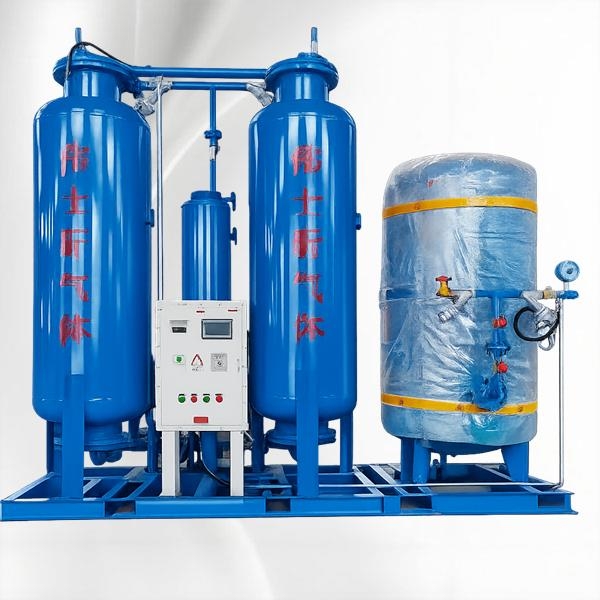
Many overseas factories rely on nitrogen generators to support daily production, but maintenance costs can become a concern when technical support is far away or service visits take time. A practical self-maintenance plan helps factory operators handle basic inspections, reduce unnecessary repair expenses, and keep the equipment running smoothly. Self-maintenance does not mean ignoring professional service. It focuses on simple tasks that trained operators can safely perform, such as checking operating conditions, cleaning external parts, recording performance data, and replacing common consumables on time.
The first step in low-cost maintenance is creating a daily inspection routine. Operators should check nitrogen purity, output pressure, air inlet pressure, and operating alarms at regular intervals. Recording these values in a maintenance log makes it easier to find changes before they become serious problems. For example, if nitrogen purity slowly decreases over several weeks, the maintenance team can investigate possible causes such as filter blockage, moisture problems, or carbon molecular sieve aging before production is affected.
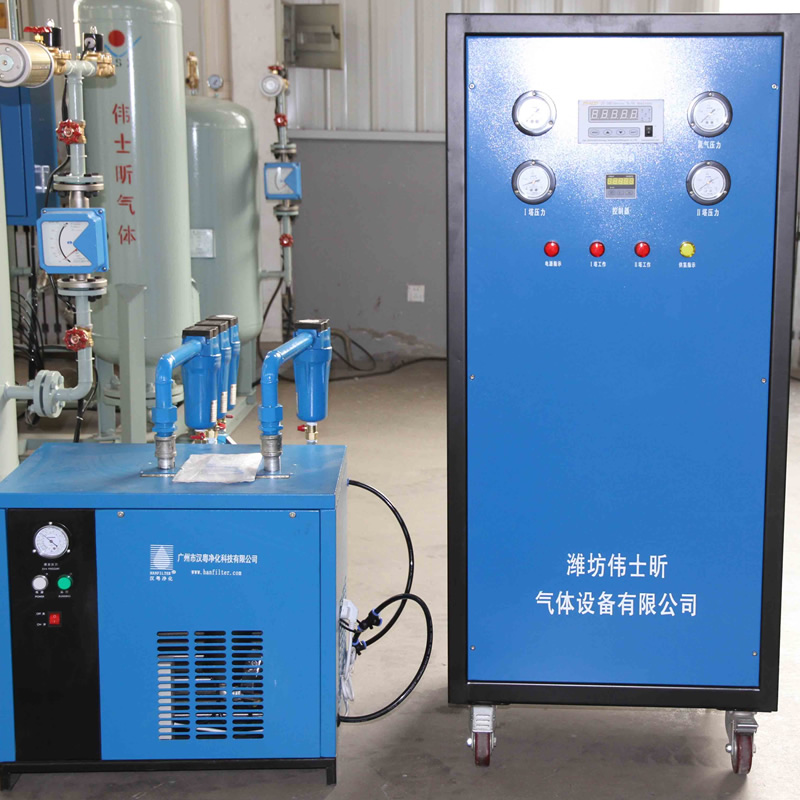
Keeping the compressed air system clean is one of the easiest ways to reduce maintenance costs. Before air enters the industrial nitrogen generator , filters, dryers, and automatic drains should be checked regularly. Water and oil contamination are common causes of poor nitrogen performance, especially in factories located in hot or humid regions. A simple check of drain valves and filter conditions can prevent expensive repairs later.
Workers should keep the equipment area tidy and clean. Dust near cooling fans, electrical boxes, and air vents can block airflow and cause overheating or malfunctions. Wiping down the machine's surface and clearing away dust are easy jobs that don't need special tools.
Overseas factories can prepare a basic spare parts kit to reduce waiting time. Common items such as filter elements, drain valve parts, seals, and pressure gauge accessories are usually easier to store than waiting for urgent shipment from another country. However, major repairs involving adsorption towers, control systems, or internal components should still be handled by qualified technicians.
Training local operators is another important way to control costs. A short maintenance training program can help workers understand normal operating conditions, recognize warning signs, and perform routine checks correctly. Many equipment problems become expensive only because early symptoms are ignored.
With proper records, regular inspections, and simple maintenance habits, factories can reduce operating expenses while keeping nitrogen generators reliable. A well-managed self-maintenance system helps extend equipment service life and supports stable production even when technical resources are limited.
Table of Contents
- Regular Maintenance of Carbon Molecular Sieve to Prevent Rapid Purity Decline
- Standard Replacement Cycle of Filters for Air Compressor Matched Nitrogen Generators
- Solutions for Common Faults: Insufficient Nitrogen Output & Unstable Pressure
- Low-Cost Self-Maintenance Operation Manual of Nitrogen Generators for Overseas Factories
Wei Fang Wei Shi Xin Gas Equipment Co., Ltd. was established in July 2003. It is located at No.5111 Yingqian Street, Weifang National High-tech Development Zone, Shan Dong Province. The company covers an area of 20000 square meters and has a building area of 11,000 square meters. It is a specialized company that specializes in the research and development production of pressure swing adsorption and membrane separation nitrogen, oxygen and gas boosting, purification and other equipment.