 EN
EN  AR
AR NL
NL FR
FR HI
HI KO
KO PT
PT RU
RU ES
ES TL
TL ID
ID VI
VI TH
TH TR
TR MS
MS SW
SW UR
UR BN
BN HA
HA KM
KM LO
LO PA
PA YO
YO MY
MY SI
SI AM
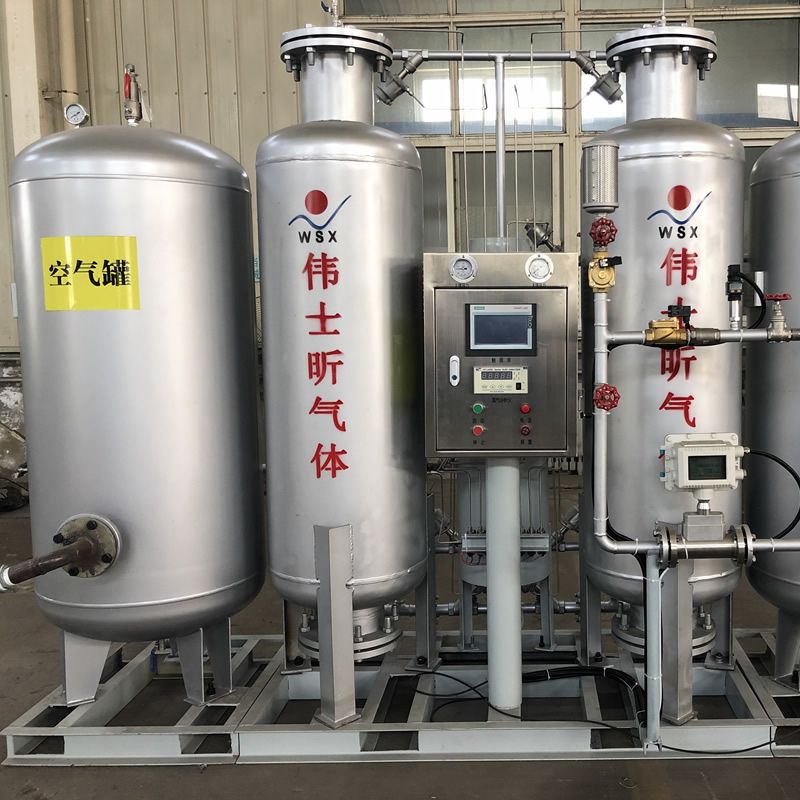
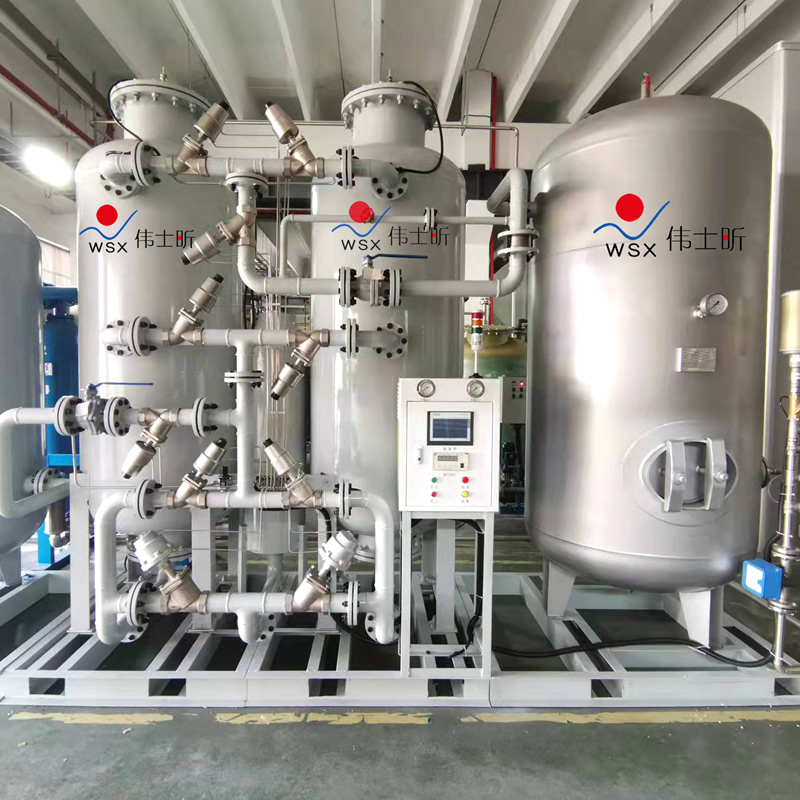
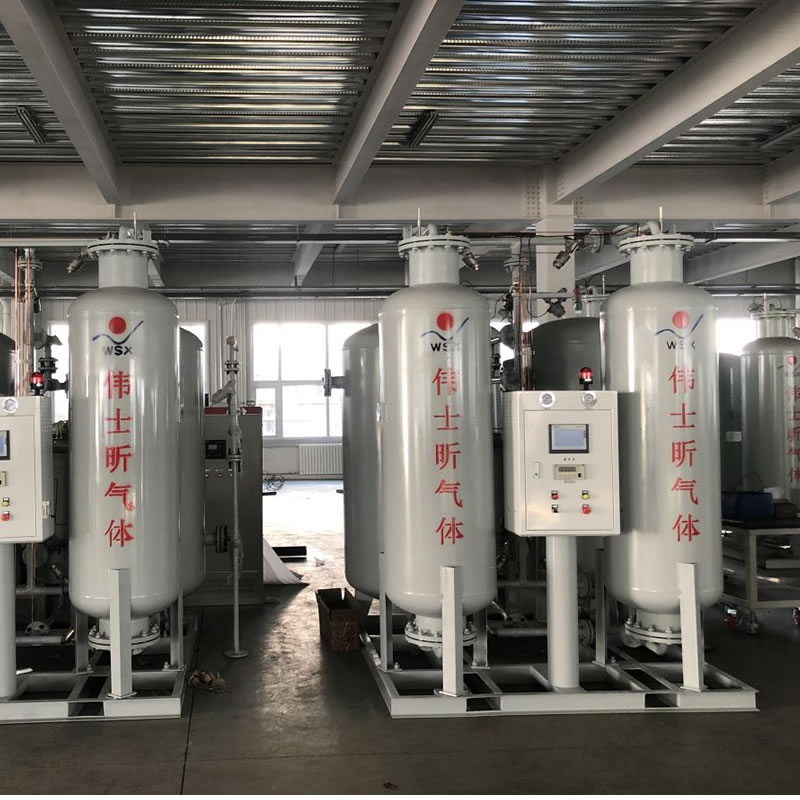
AMFactories that handle food packaging, metal processing, electronics, chemicals, and other sensitive production often need a steady supply of nitrogen. Instead of relying on cylinders or liquid nitrogen deliveries, many plants choose to produce nitrogen on-site. A self-produced nitrogen system can supply gas when it is needed, while reducing concerns about deliveries, storage, and unexpected shortages. It also gives operators better control over nitrogen purity and pressure for different processes. For example, a factory using nitrogen to prevent oxidation during production can adjust its supply based on actual demand. With proper system design and maintenance, on-site nitrogen production can support safer, more stable, and easier-to-manage factory operations.
Risk Reduction By On-Site Nitrogen For Flammable Material Workshops
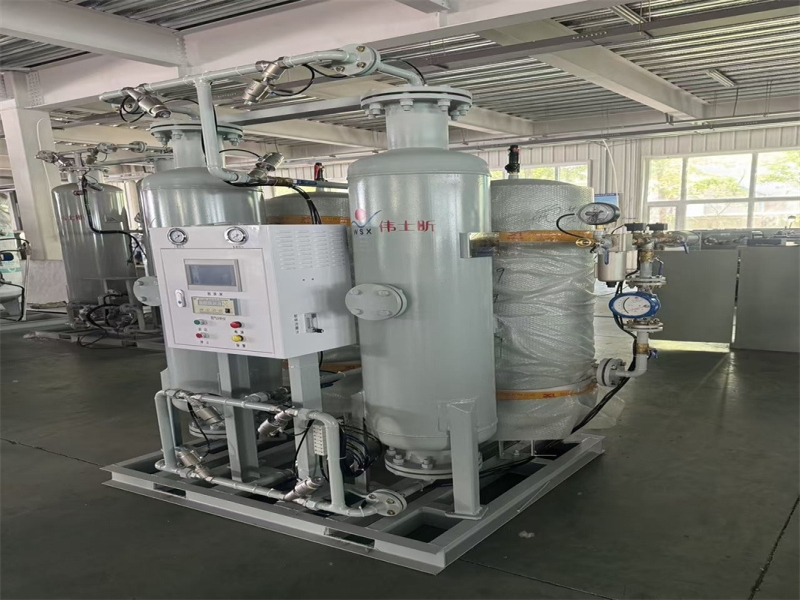
When a factory works with flammable liquids, powders, gases, or solvents, controlling oxygen levels can be an important part of production safety. On-site nitrogen can help by replacing or reducing oxygen in selected equipment and process areas where an inert atmosphere is needed. For example, nitrogen may be used to protect storage tanks, purge pipelines, or reduce the chance of oxidation during certain operations. A workshop that produces solvent-based coatings might use nitrogen machine to protect tanks from oxygen exposure while materials are being stored or transferred. To use nitrogen safely, the system should be matched to the process, with proper pressure controls, ventilation, oxygen monitoring, and clear operating procedures.
Automatic Running Mode For Unattended Industrial Gas Station
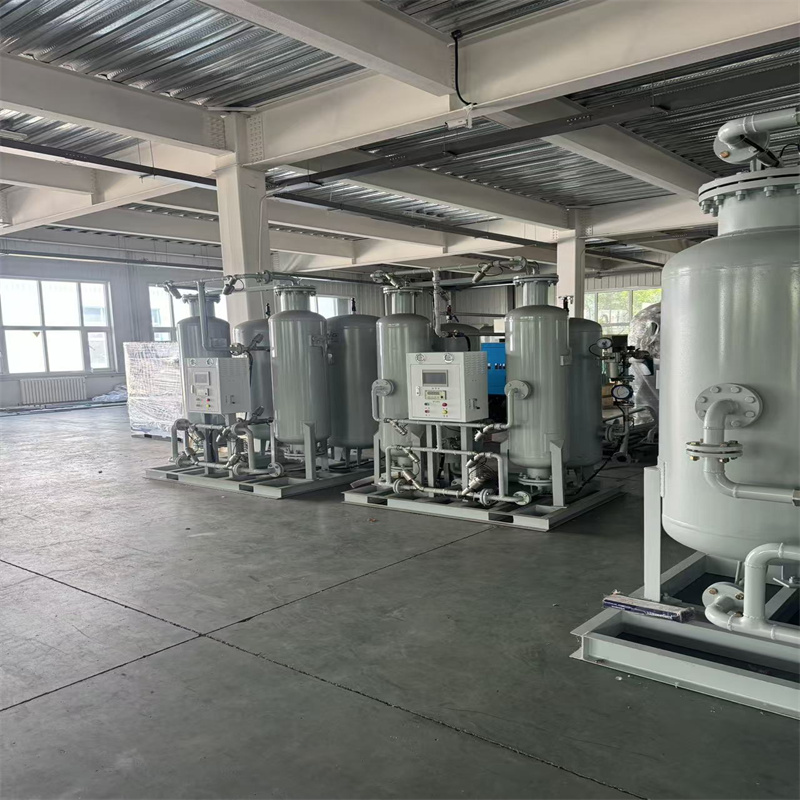
A self-produced nitrogen system can be designed to run automatically, which is useful for industrial gas stations that do not need an operator watching the equipment every minute. Once the required pressure, purity, and flow settings are entered, the generator can start and stop based on demand. Sensors can monitor key conditions and trigger alarms when pressure, purity, temperature, or other operating values move outside the set range. For example, a factory running overnight may still need nitrogen for tank protection or equipment purging even when only a small maintenance team is present. Automatic operation helps keep the gas supply steady while reducing routine manual checks. Regular inspections and scheduled maintenance are still needed to keep unattended operation safe and reliable.
How To Match Nitrogen Generator With Downstream Supporting Equipment
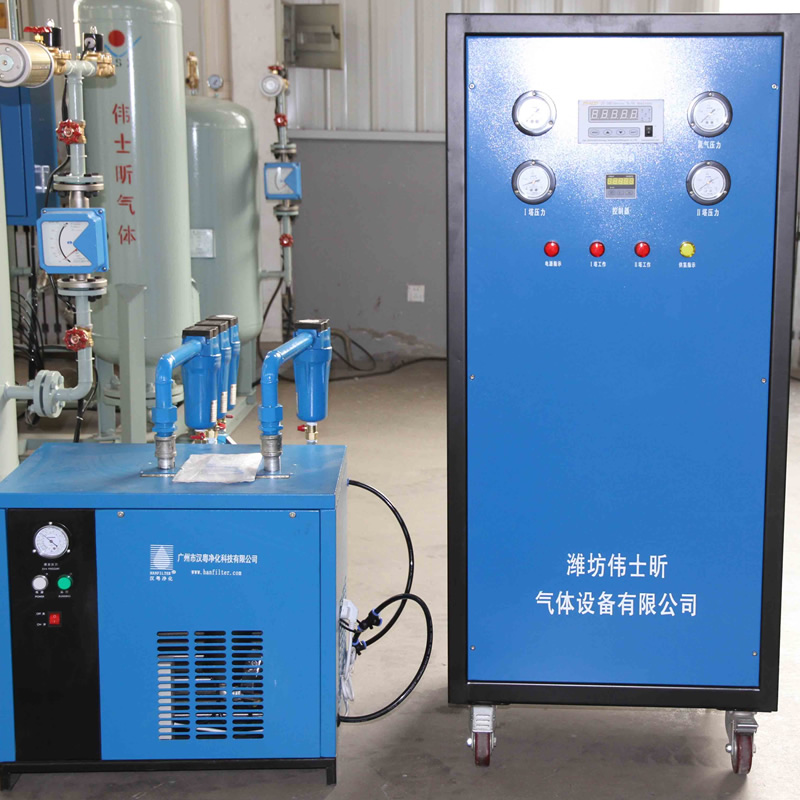
Choosing a nitrogen generator is only part of setting up a reliable gas supply. The generator also needs to work properly with the equipment connected to it, such as air compressors, air dryers, storage tanks, filters, pressure regulators, and pipelines. Start by checking the nitrogen demand, required purity, working pressure, and flow rate of the downstream equipment. For example, a packaging line may need steady nitrogen flow at a specific pressure, while a metal processing machine may have different demand during production. Storage tanks can help handle short periods of high demand, while suitable filters protect the gas from moisture, oil, and particles. Before installation, check pipe sizes, pressure ratings, connection points, and control signals so the whole system can operate smoothly.
Explosion-Proof Nitrogen Unit For Hazardous Area Working Conditions
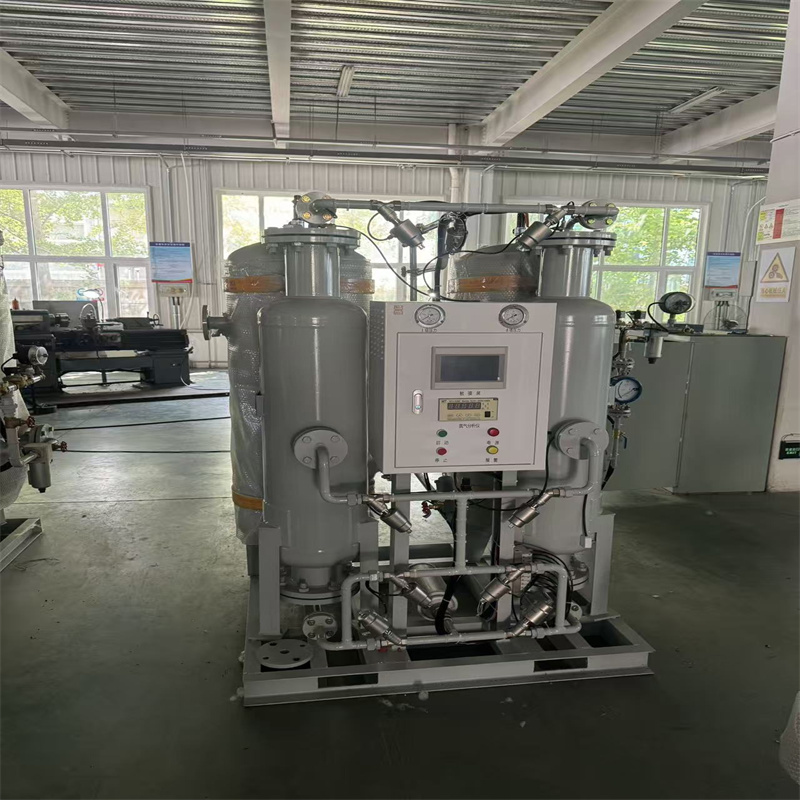
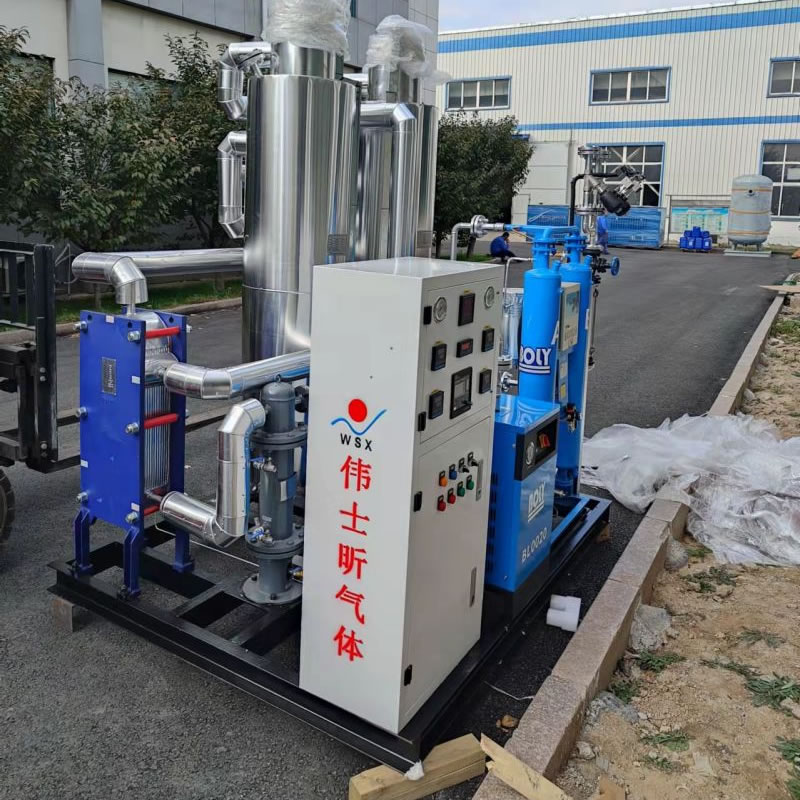
Factories working with flammable materials need to pay close attention to the equipment installed in hazardous areas. An explosion-proof nitrogen generator equipment can be designed to reduce ignition risks while supplying nitrogen for purging, blanketing, or other controlled processes. The key is to match the generator and its electrical components with the area's hazard classification and operating conditions. For example, a chemical workshop may need nitrogen around solvent storage or transfer equipment where flammable vapors could be present. Before installation, check the required nitrogen flow, purity, pressure, temperature range, and applicable explosion-protection standards. Proper grounding, ventilation, gas detection, emergency shutoff systems, and routine inspections should also be part of the overall safety plan.
Wei Fang Wei Shi Xin Gas Equipment Co., Ltd. was established in July 2003. It is located at No.5111 Yingqian Street, Weifang National High-tech Development Zone, Shan Dong Province. The company covers an area of 20000 square meters and has a building area of 11,000 square meters. It is a specialized company that specializes in the research and development production of pressure swing adsorption and membrane separation nitrogen, oxygen and gas boosting, purification and other equipment.