 EN
EN  AR
AR NL
NL FR
FR HI
HI KO
KO PT
PT RU
RU ES
ES TL
TL ID
ID VI
VI TH
TH TR
TR MS
MS SW
SW UR
UR BN
BN HA
HA KM
KM LO
LO PA
PA YO
YO MY
MY SI
SI AM
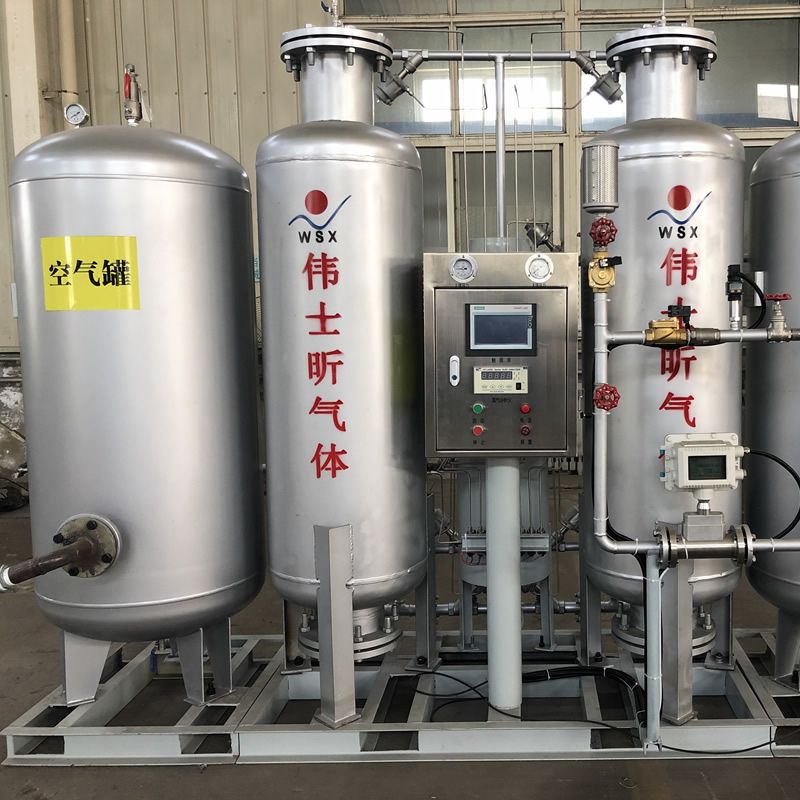
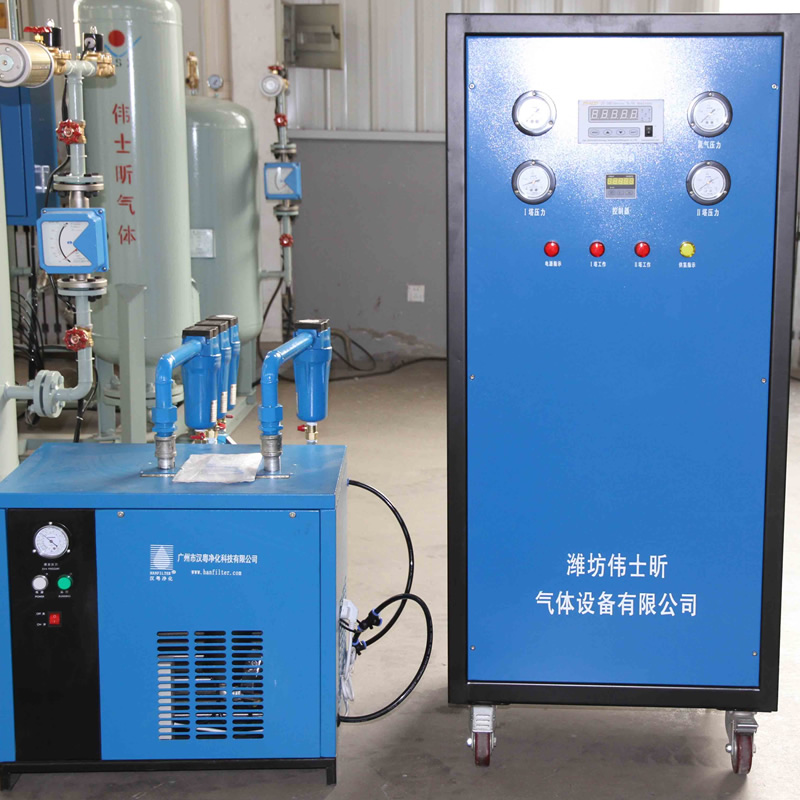
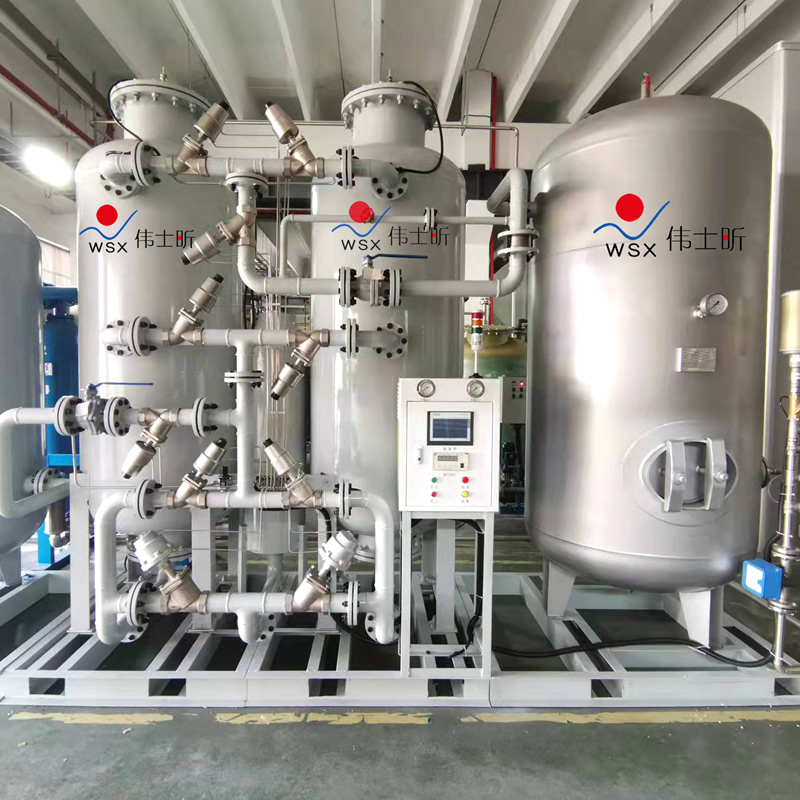
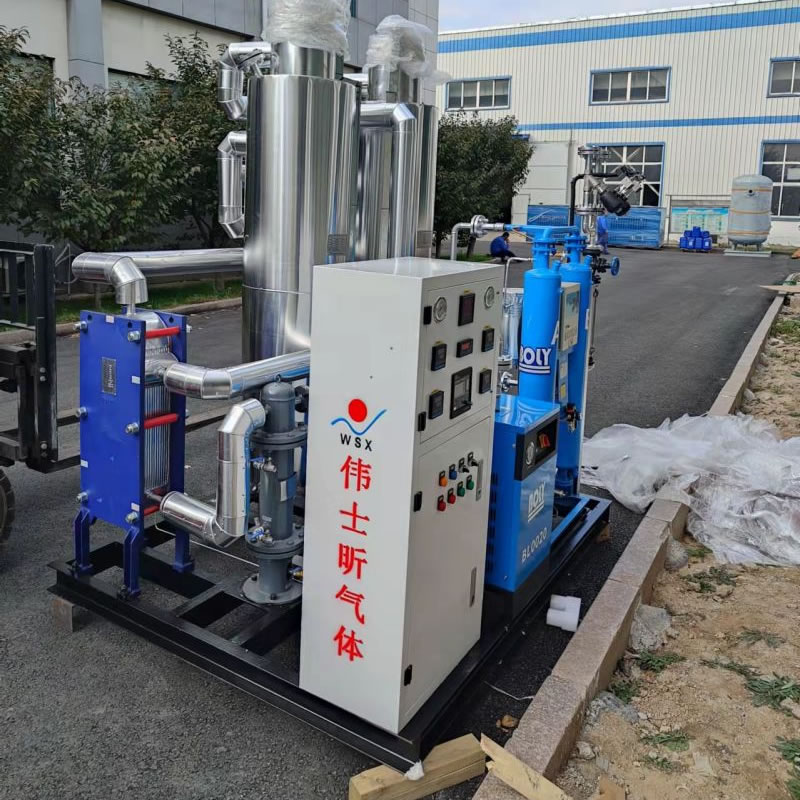
AMNitrogen gas is commonly utilized in a lot of factories for protecting goods, machines and manufacturing processes from oxygen and water vapor. Companies have been using either liquid nitrogen tanks or Nitrogen generator cylinders to satisfy their demands. Although these solutions may be helpful in some situations, they still imply the necessity of constant deliveries, storage of equipment, handling of the cylinders and variable supply costs. The alternative solution is on-site PSA nitrogen generation system which produces nitrogen at the facility on demand. Rather than making one more delivery, the factory will be able to produce gas using compressed air.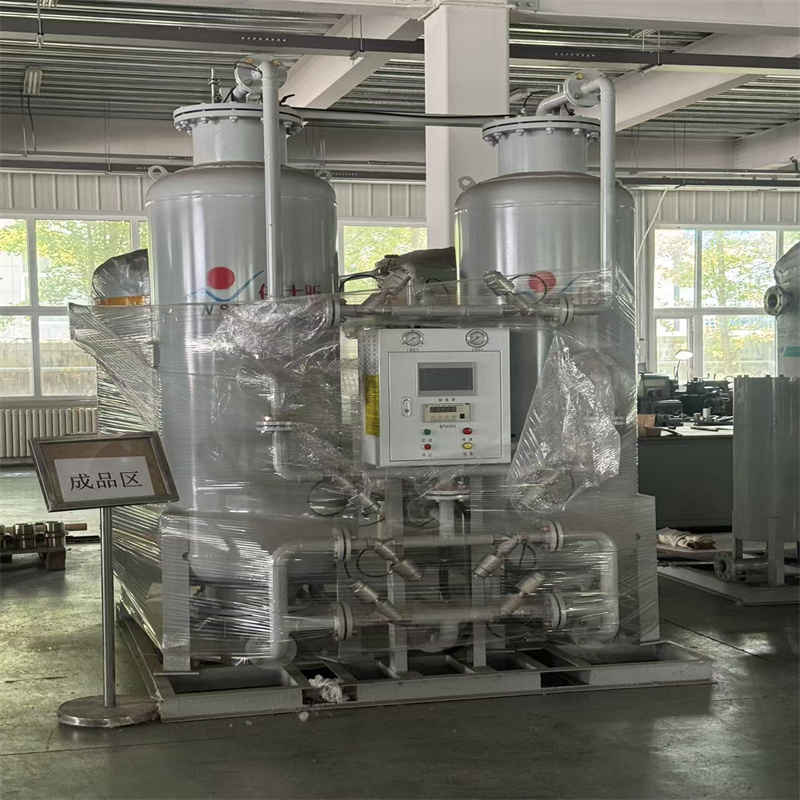
How to calculate your real nitrogen gas operating cost
The real cost of nitrogen is more than the price shown on a cylinder or liquid nitrogen delivery invoice. To compare supply options fairly, start by calculating how much nitrogen your factory uses each day and how much you pay to receive it. For cylinder gas, include the gas price, cylinder rental, delivery charges, handling, and any losses caused by leftover gas. For liquid nitrogen, add the liquid price, transport, tank rental or maintenance, and losses from evaporation.
For an on-site PSA nitrogen generator, the main costs usually come from electricity, compressed air, maintenance, and replacement parts. A simple calculation is to divide the generator's total operating cost by the amount of nitrogen it produces. For example, if a generator consumes 10 kWh to produce 100 Nm³ of nitrogen, multiply the electricity used by your local power rate. Then add routine maintenance and other operating expenses to get a more realistic cost per Nm³.
It also helps to look at your usage pattern. A factory using nitrogen for several hours every day may benefit more from on-site production than a facility with occasional demand. Check your average flow rate, required purity, operating pressure, and working hours before making a comparison.
When reviewing the numbers, avoid looking only at the purchase price of the gas. A cheaper cylinder price may not remain cheap after delivery and handling costs are added. Likewise, an on-site generator should be judged over several years, not only by its initial equipment cost. This approach gives you a clearer picture of what nitrogen is really costing your operation.
Hidden risks of long‑term liquid nitrogen procurement
Relying on liquid nitrogen for years can create problems that are easy to miss when everything is running normally. The biggest concern is supply dependence. Your factory needs regular deliveries, so a late truck or supply shortage can quickly affect production. This can be especially difficult for plants that operate around the clock or are located far from major suppliers.
Storage is another issue. Liquid nitrogen must be kept in properly designed storage tanks, and these tanks need regular inspection and maintenance. Some nitrogen is also lost through natural evaporation, even when the gas is not being used. Over a long period, these small losses can add to the total operating cost.
Transport also creates another point of risk. Deliveries depend on road conditions, supplier schedules, weather, and vehicle availability. A factory may have enough nitrogen today but still face a shortage if the next delivery is delayed. For example, a food processing plant that uses nitrogen for packaging may have to slow or stop a production line if its storage tank runs low.
Price changes can make long-term planning harder as well. Liquid nitrogen costs may change because of energy prices, transportation expenses, or local supply conditions. A company that depends entirely on deliveries has limited control over these changes.
Before choosing long-term liquid nitrogen supply, review your delivery history, average consumption, storage capacity, emergency supply plan, and total cost. If nitrogen demand is steady and high, compare these factors with the cost of producing nitrogen on-site. An on-site PSA system does not remove every operating expense, but it can reduce dependence on outside deliveries and give the factory greater control over its daily nitrogen supply.
Energy‑saving advantages of on‑demand nitrogen production
Producing nitrogen only when the factory needs it can help control energy use and reduce waste. With an on-site PSA nitrogen generator, the system separates nitrogen from compressed air and supplies it according to the plant's demand. This means the factory does not need to keep large amounts of liquid nitrogen stored just to prepare for future use.
The biggest advantage comes from matching production with actual demand. If a production line uses less nitrogen during a slow shift, the generator can reduce its output or be turned down when appropriate. This avoids paying for gas that may sit unused. Good system sizing is important here. A generator that is much larger than the plant's normal demand may consume more energy than necessary, while an undersized unit may struggle during peak periods.
Compressed air quality also affects energy use. Dirty filters, pressure leaks, moisture, and poorly maintained compressors can make the system work harder. Regularly checking filters, air pressure, piping, and leaks can help keep the generator running efficiently.
For example, a metalworking factory may need a steady nitrogen supply for laser cutting during production hours but have little demand overnight. Instead of keeping a large liquid nitrogen supply available around the clock, the plant can schedule nitrogen production around its actual operating pattern.
When reviewing energy savings, do not look only at the generator's electrical consumption. Check the complete system, including the air compressor, dryer, filters, and piping. Compare the total energy used to produce one unit of nitrogen with the energy and delivery costs tied to your current supply method.
The goal is not simply to produce nitrogen on-site. The goal is to produce the right amount at the right pressure and purity while avoiding unnecessary energy use. Careful sizing, demand monitoring, and routine maintenance are the practical steps that make on-demand production work efficiently.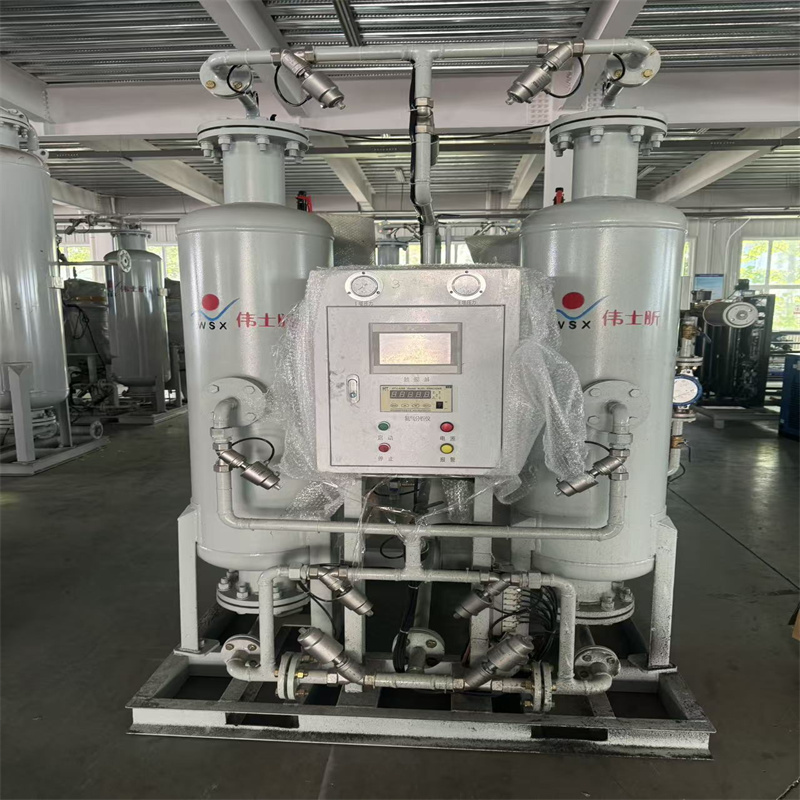
Return‑on‑investment cycle of installing nitrogen generator
The return on investment, or ROI, of a nitrogen generator depends on how much nitrogen a factory uses, what it currently pays for gas, and how much it costs to install and operate the new system. The best way to estimate the payback period is to compare the current yearly nitrogen cost with the yearly cost of producing nitrogen on-site.
Start by recording your actual spending on liquid nitrogen or cylinders. Include gas charges, delivery fees, storage costs, rental charges, and other regular expenses. Then estimate the PSA generator's yearly costs, including electricity, compressed air, maintenance, filters, and replacement parts. The difference between these two figures gives you a rough idea of the yearly savings.
For example, imagine a factory spends a large amount every month on nitrogen deliveries because its production lines operate six or seven days a week. After installing a correctly sized PSA generator, the factory still has electricity and maintenance expenses, but it no longer needs the same level of regular gas deliveries. If the annual savings are significant, the initial equipment cost may be recovered over several years.
The payback period can be estimated by dividing the total installation cost by the expected annual savings. However, avoid making the calculation from a supplier quotation alone. Use your actual Membrane nitrogen generator consumption and operating hours. Energy prices, maintenance needs, production changes, and equipment life can all affect the final result.
It is also useful to review the investment over the full working life of the generator rather than focusing only on the first year. A system with a higher initial cost may provide better long-term value if it has lower energy consumption, reliable components, and reasonable maintenance requirements.
Before making a decision, collect at least 6–12 months of nitrogen bills and production data. This gives you a more realistic picture of demand and helps you estimate whether producing nitrogen on-site can deliver a reasonable return for your particular operation.
Wei Fang Wei Shi Xin Gas Equipment Co., Ltd. was established in July 2003. It is located at No.5111 Yingqian Street, Weifang National High-tech Development Zone, Shan Dong Province. The company covers an area of 20000 square meters and has a building area of 11,000 square meters. It is a specialized company that specializes in the research and development production of pressure swing adsorption and membrane separation nitrogen, oxygen and gas boosting, purification and other equipment.