 EN
EN  AR
AR NL
NL FR
FR HI
HI KO
KO PT
PT RU
RU ES
ES TL
TL ID
ID VI
VI TH
TH TR
TR MS
MS SW
SW UR
UR BN
BN HA
HA KM
KM LO
LO PA
PA YO
YO MY
MY SI
SI AM
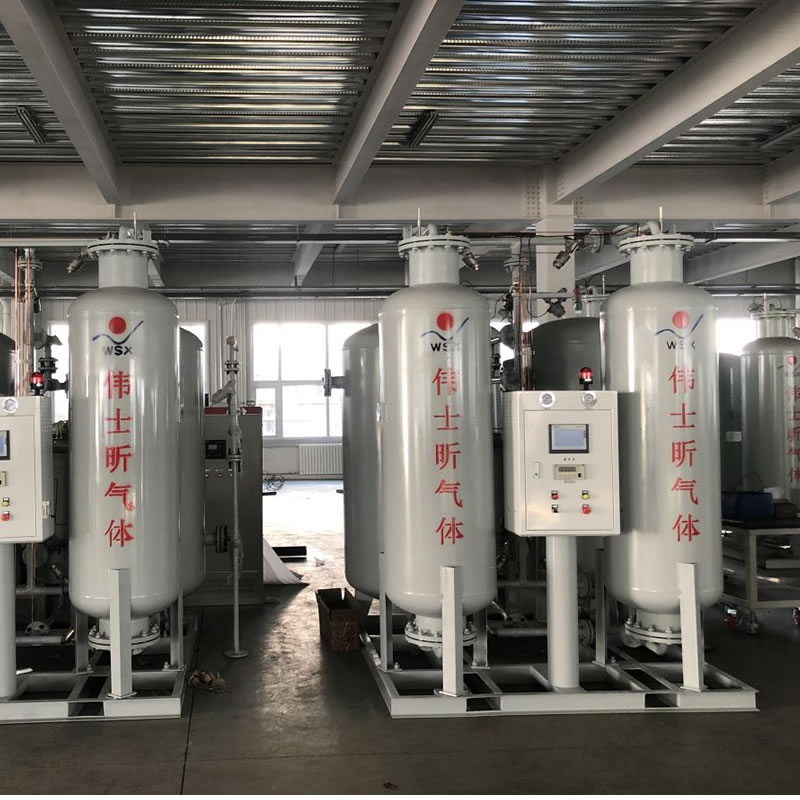
AMWorkhorse generator that still requires daily love Most industrial nitrogen generators are built to last for years of operation, but they're not immune to issues without proper maintenance. Even small daily maintenance procedures can help reduce breakdowns, maintain Nitrogen generator purity and save on expensive repair bills down the line. Often the causes of expensive downtime originate as minor problems you could have spotted and fixed on a daily visit. Whether your generator is in use in food & beverage, electronics, laser cutting, or chemical manufacturing, establishing a quick daily maintenance ritual can save you stress and expense.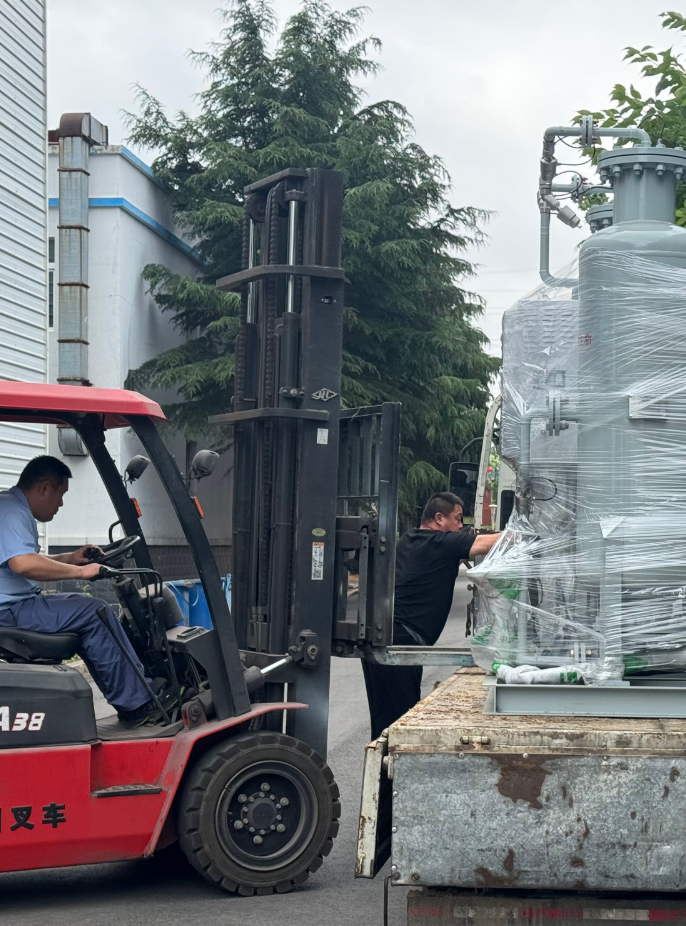
Regular Inspection Items for Carbon Molecular Sieve
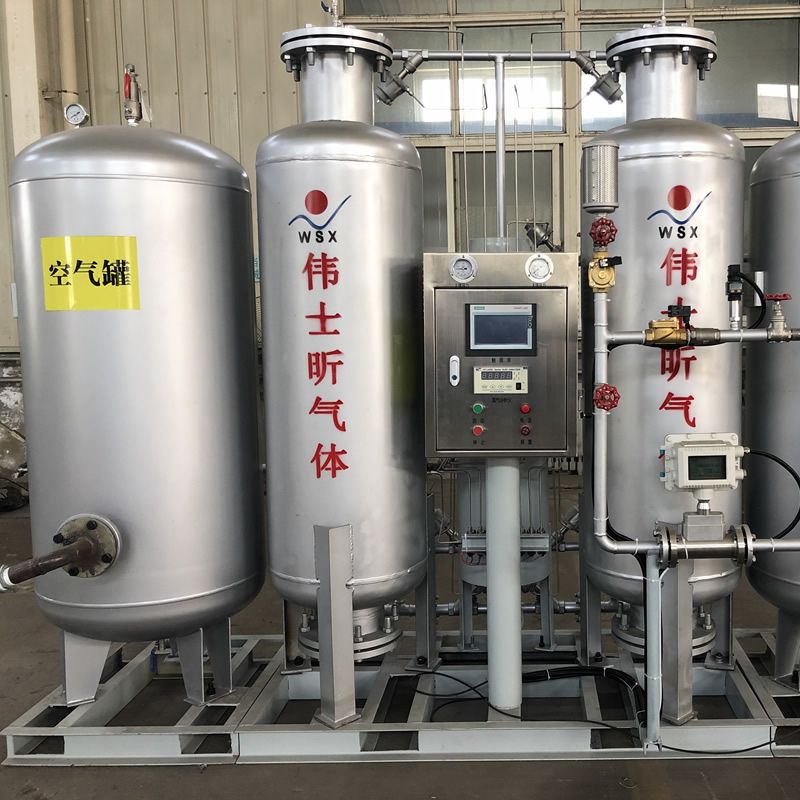
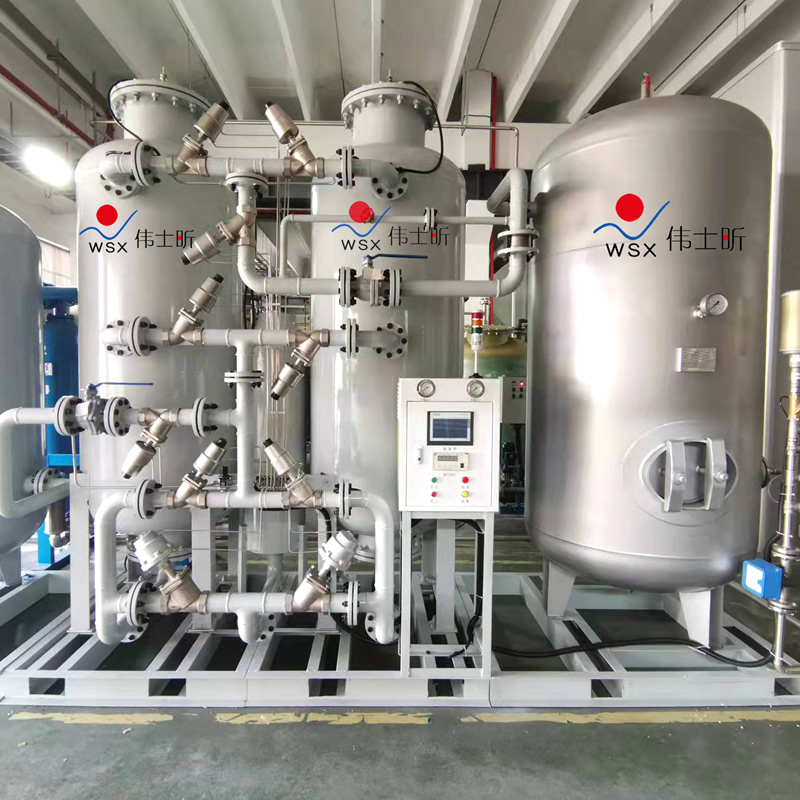
Carbon molecular sieve is the core material inside a PSA nitrogen generator. It separates oxygen from nitrogen, making it possible to produce high-purity nitrogen. Although the carbon molecular sieve is sealed inside the adsorption tower and does not need daily handling, regular inspection of the system around it helps protect its performance and extend its service life.
One of the first things to check is whether the nitrogen purity stays within the normal operating range. A sudden drop in purity may point to a problem with the adsorption process, air quality, or aging of the carbon molecular sieve. Recording purity readings every day makes it easier to notice changes before they become serious.
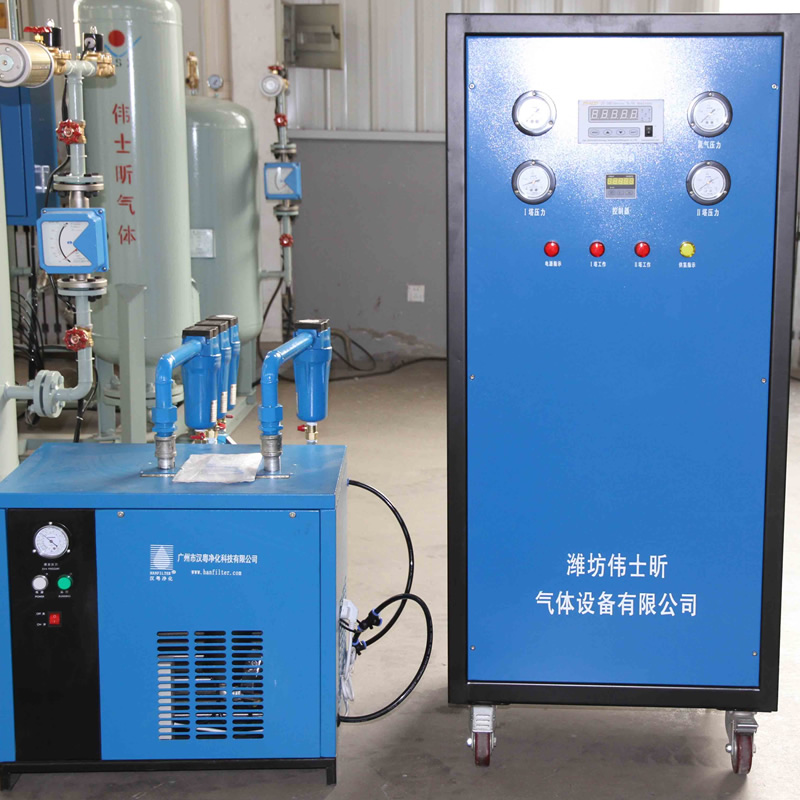
Air quality is another key point. The carbon molecular sieve performs best when the compressed air is clean and dry. If moisture, oil, or dust enters the adsorption tower, the sieve can become contaminated and lose its ability to separate gases efficiently. Daily checks of air filters, dryers, and automatic drain valves help keep unwanted contaminants out of the system.
Operators should also pay attention to pressure readings. Large pressure changes or unstable pressure between adsorption towers may be a sign of valve problems, air leaks, or other issues that can reduce the efficiency of the carbon molecular sieve. Unusual sounds during valve switching or air release should also be checked as soon as possible.
Keeping simple maintenance records is a practical habit. For example, a food packaging factory may record nitrogen purity, inlet pressure, and compressed air dew point at the beginning of every shift. Over several weeks, these records can reveal small performance changes that might otherwise go unnoticed. By finding problems early, operators can schedule maintenance before production is affected, helping the carbon molecular sieve deliver stable nitrogen quality for a much longer time.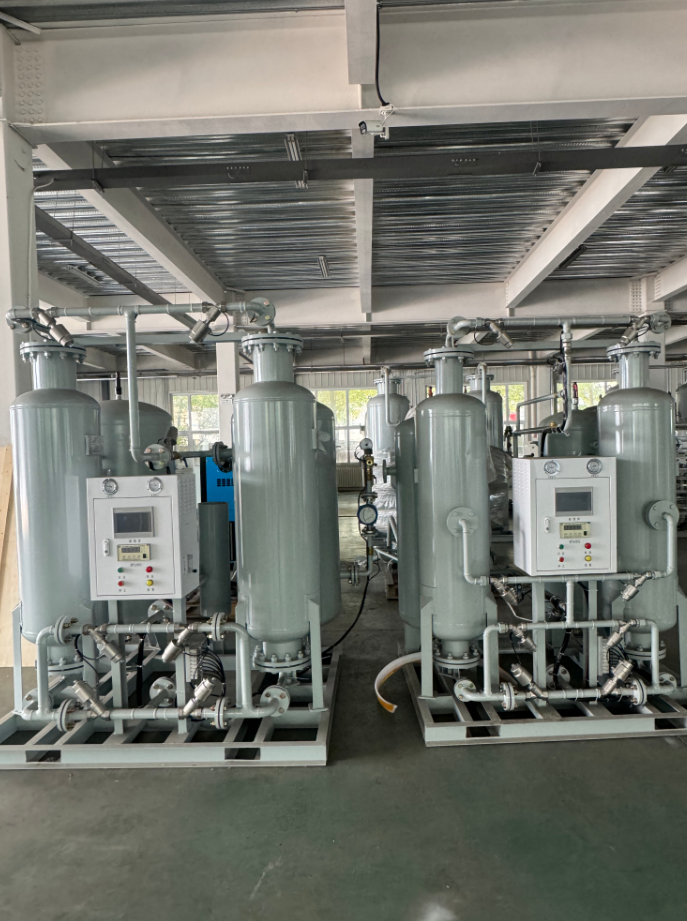
Air Preprocessing System Maintenance Steps for Nitrogen Generators
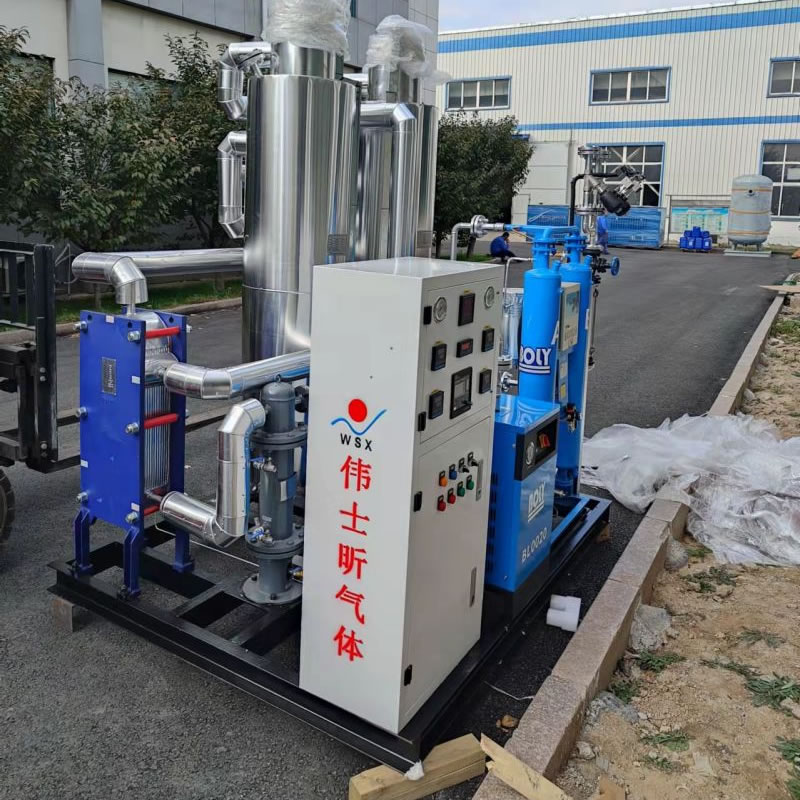
The air preprocessing system plays a major role in protecting an industrial nitrogen generator. Before compressed air reaches the adsorption towers, it passes through filters and dryers that remove dust, oil, and moisture. If these parts are not maintained properly, contaminants can enter the system and shorten the life of the carbon molecular sieve while also reducing nitrogen purity.
Start each day by checking the pressure difference across the air filters. A higher-than-normal reading often means the filter element is becoming blocked. Replacing clogged filters on time keeps air flowing smoothly and prevents the air compressor from working harder than necessary.
Next, inspect the air dryer. Whether the system uses a refrigerated dryer or a desiccant dryer, it should produce clean, dry compressed air. Look at the dew point reading if the system has a monitor, and make sure it stays within the recommended range. If moisture levels begin to rise, inspect the dryer before the problem reaches the nitrogen generator.
Drain water from air receiver tanks and moisture separators every day if they are not equipped with automatic drains. If automatic drain valves are installed, confirm that they open and close correctly. A blocked drain can allow water to collect inside the system, increasing the risk of moisture entering the adsorption towers.
It is also a good idea to look for oil leaks around the air compressor and pipelines. Even a small amount of oil carried into the compressed air can affect the performance of the carbon molecular sieve over time. Clean the area around filters and dryers so that dust does not build up on equipment or block ventilation openings.
For example, a laser cutting workshop noticed that nitrogen purity became unstable after several months of operation. During a routine inspection, technicians found that the air dryer was no longer removing enough moisture because of poor maintenance. After servicing the dryer and replacing the filter elements, the nitrogen generator quickly returned to stable operation. Simple daily checks like these help keep the entire system running efficiently and reduce the chance of unexpected downtime.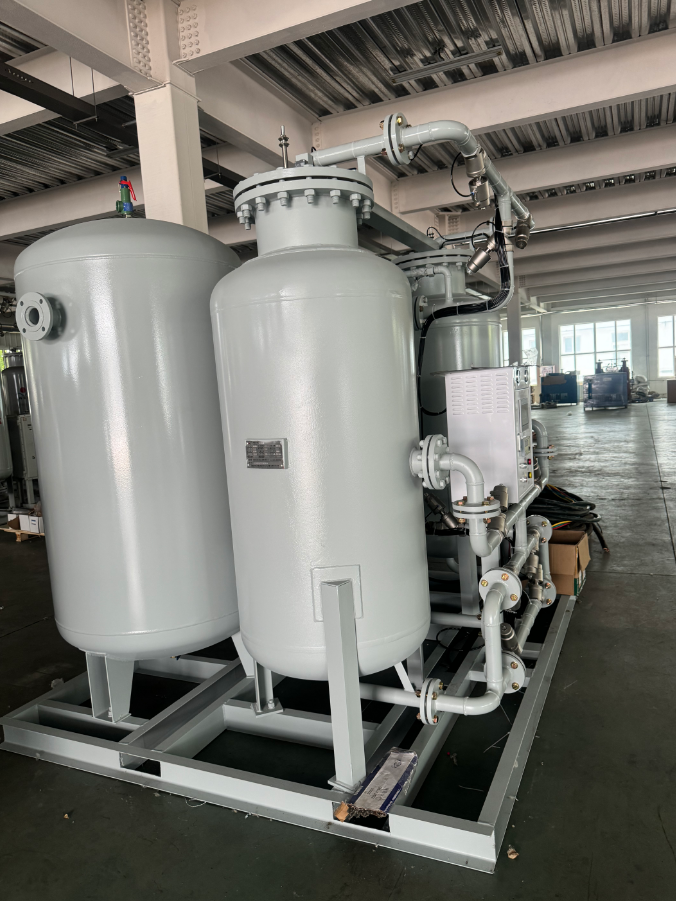
Common Faults and Quick Troubleshooting Methods
Even with regular maintenance, industrial Nitrogen machine can occasionally develop small problems during daily operation. Knowing how to identify common faults and respond quickly can reduce downtime and help prevent more serious damage. The goal is not to repair every issue on the spot, but to recognize warning signs and take the right action.
One common problem is a drop in nitrogen purity. Start by checking the compressed air pressure, air filters, and dryer. Dirty filters, wet compressed air, or unstable inlet pressure can all affect the separation process. If these items are working normally, inspect the switching valves to make sure they are opening and closing correctly. A valve that does not switch as expected can reduce the efficiency of the PSA cycle.
Another issue is lower nitrogen output than usual. This may be caused by air leaks, clogged filters, or a compressor that is not supplying enough air. Walk around the system and listen for hissing sounds near pipe connections and fittings. Even a small air leak can reduce production capacity and increase energy use.
If the generator starts and stops frequently, check the pressure settings and demand from the production line. In some cases, the nitrogen storage tank may be too small for the application, or a pressure sensor may need adjustment. Reviewing the operating log can help identify when the problem began.
Unusual noises or excessive vibration should never be ignored. Loose pipe clamps, worn valves, or compressor problems can all create sounds that are different from normal operation. Stop the equipment for inspection if the noise becomes louder or is accompanied by warning alarms.
For example, an electronics factory noticed that its nitrogen generator could not reach the required purity after a weekend shutdown. The maintenance team found that an automatic drain valve had become blocked, allowing moisture to enter the air system. After cleaning the drain valve and checking the dryer, the generator returned to normal performance. Quick inspections like this can solve many common problems before they affect production.
How to Extend the Service Life of Nitrogen Generator Core Components
The core components of an industrial nitrogen generator, such as the carbon molecular sieve, switching valves, air filters, and control system, are built for long-term operation. Their actual service life depends greatly on how well the equipment is maintained. Good daily habits can help these parts perform reliably for many years while reducing repair costs and unexpected shutdowns.
Keeping the compressed air clean is one of the most effective ways to protect the system. Replace filter elements according to the maintenance schedule and make sure the air dryer is working properly. Clean, dry air prevents moisture, oil, and dust from reaching the carbon molecular sieve, helping it maintain stable nitrogen production over a longer period.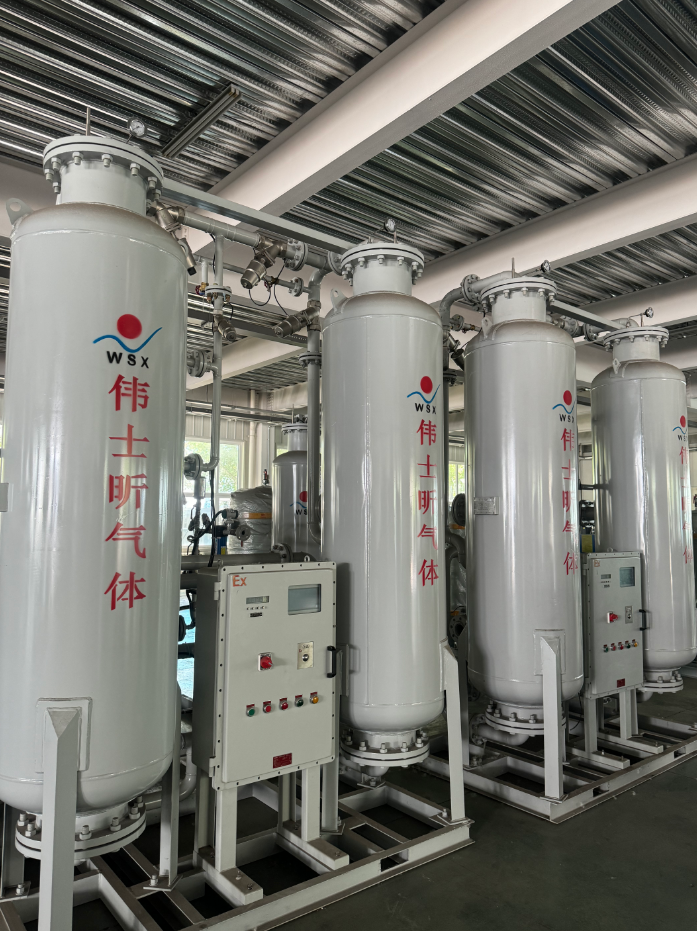
Operating the generator within its recommended pressure and flow range also makes a difference. Running the system above its design limits for long periods can place extra stress on valves, pipelines, and other mechanical parts. If production demand changes, adjust the operating settings instead of forcing the equipment to work beyond its normal capacity.
Regular inspections of valves, pressure gauges, and sensors are also important. A valve that begins switching more slowly or a sensor that gives incorrect readings can affect the entire PSA process. Replacing worn parts early is often much less expensive than dealing with a major equipment failure later.
Keeping the equipment clean should not be overlooked. Dust around cooling fans, electrical cabinets, and ventilation openings can reduce cooling performance and increase operating temperatures. A clean working area also makes it easier to spot leaks, loose fittings, or damaged cables during routine inspections.
For example, a metal fabrication company followed a preventive maintenance schedule that included replacing filters on time, checking air quality every day, and recording key operating data each shift. After several years of continuous operation, the nitrogen generator continued to produce stable, high-purity PSA nitrogen generator with very few unexpected repairs. Small maintenance tasks completed on a regular basis can make a big difference in extending the life of the generator's most important components and keeping production running smoothly.
Wei Fang Wei Shi Xin Gas Equipment Co., Ltd. was established in July 2003. It is located at No.5111 Yingqian Street, Weifang National High-tech Development Zone, Shan Dong Province. The company covers an area of 20000 square meters and has a building area of 11,000 square meters. It is a specialized company that specializes in the research and development production of pressure swing adsorption and membrane separation nitrogen, oxygen and gas boosting, purification and other equipment.