 EN
EN  AR
AR NL
NL FR
FR HI
HI KO
KO PT
PT RU
RU ES
ES TL
TL ID
ID VI
VI TH
TH TR
TR MS
MS SW
SW UR
UR BN
BN HA
HA KM
KM LO
LO PA
PA YO
YO MY
MY SI
SI AM
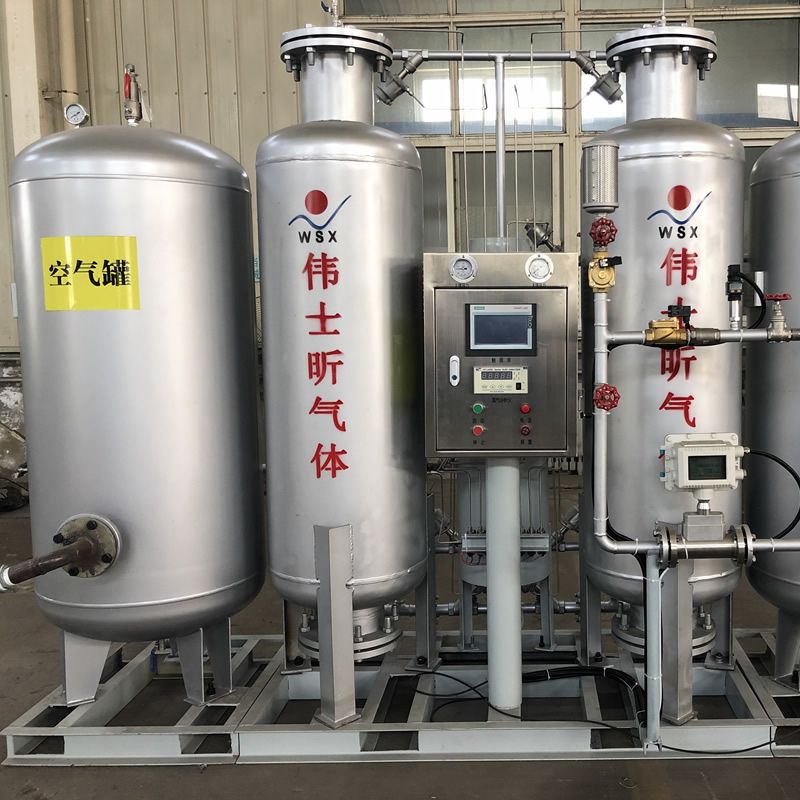
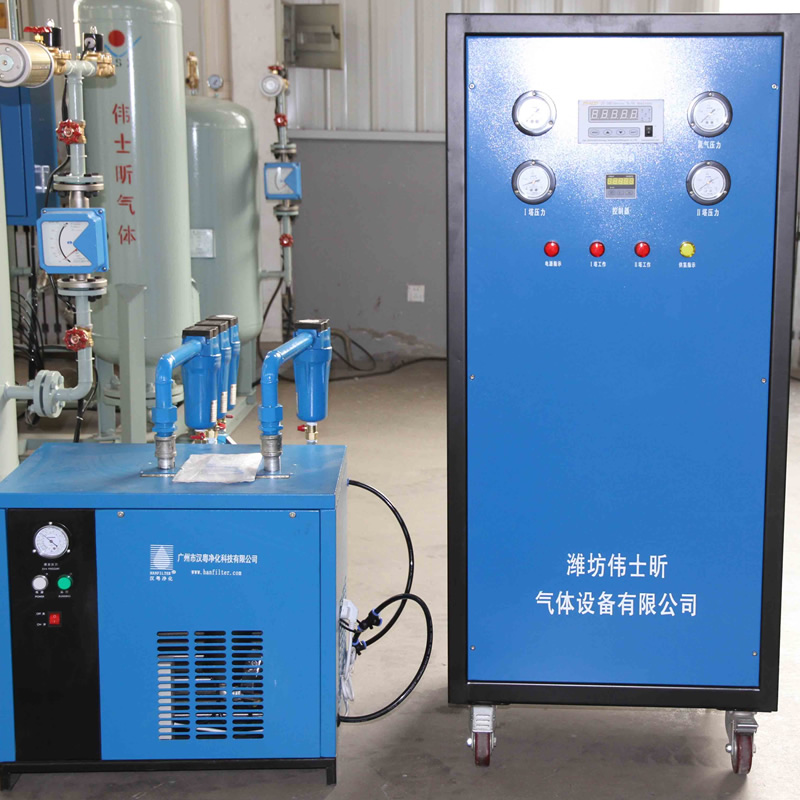
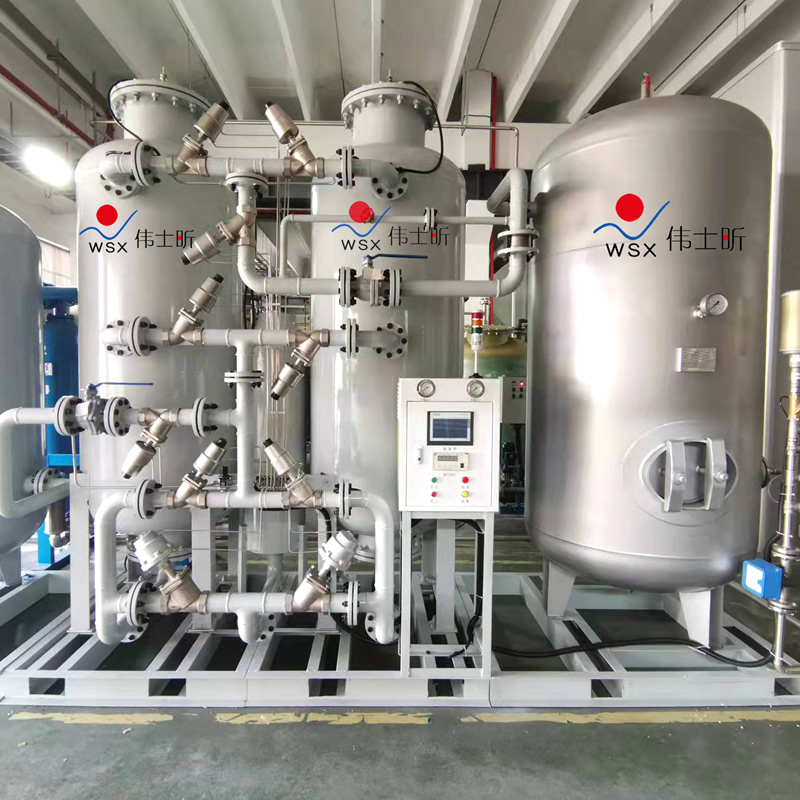
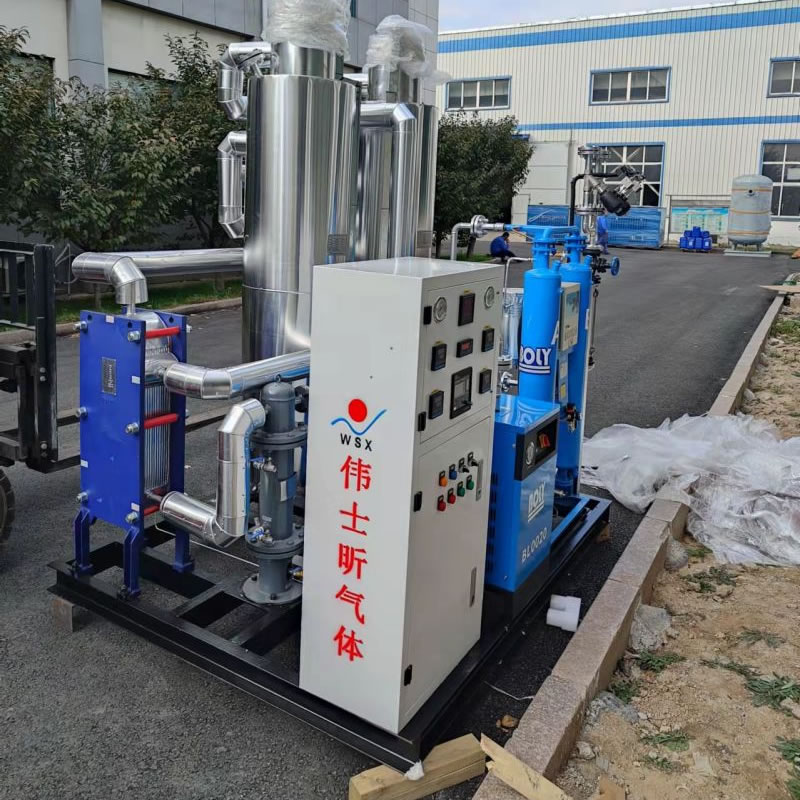
AMFor many factories, having a reliable nitrogen supply is important, but budget limits often make purchasing a nitrogen unit a challenging decision. Some businesses worry that a lower budget means they must choose a low-quality system or accept poor performance. In reality, a well-planned Nitrogen generator unit can be customized to match actual production needs without adding unnecessary costs. By understanding gas demand, purity requirements, operating conditions, and future expansion plans, companies can avoid overspending. This article explains practical ways to customize a cost-effective nitrogen unit while keeping stable performance, easy maintenance, and long-term value in mind.
Detailed Annual Cost Calculation of Cylinder Nitrogen Consumption
Before customizing a cost-effective nitrogen unit, companies should first understand how much they are spending on cylinder nitrogen every year. Many factories only look at the price of each nitrogen cylinder and overlook other costs such as delivery fees, storage space, labor, and production delays. A simple annual cost calculation can help businesses compare cylinder nitrogen with an on-site nitrogen generation system and make better decisions.
The first step is to record the number of nitrogen cylinders used each month. For example, a small metal processing factory may use 50 nitrogen cylinders every month for laser cutting and heat treatment processes. If each cylinder costs $25, the monthly gas cost is $1,250. Over one year, the direct nitrogen purchase cost reaches $15,000.
However, the actual cost is usually higher. Transportation fees should also be included because nitrogen cylinders need regular delivery from gas suppliers. If the supplier charges $100 per delivery and the factory receives gas twice a month, the annual transportation cost becomes about $2,400. In addition, workers need time to check cylinder levels, move heavy cylinders, and replace empty ones. These labor costs may add another $1,000 to $2,000 per year depending on the factory size.
Cylinder storage is another hidden expense. A factory needs a safe storage area with proper ventilation and management procedures. The space used for storing dozens of cylinders could be used for production equipment or material storage instead. If the factory rents additional space, this cost should also be considered.
For example, a small electronics manufacturer calculated its yearly nitrogen expenses and found that gas purchases accounted for about $18,000, while delivery, labor, and storage added nearly $5,000 more. The total annual nitrogen supply cost was close to $23,000. After understanding this number, the company started looking at a small nitrogen generator that matched its actual gas demand instead of continuing with cylinder supply.
A detailed cost calculation helps companies avoid making decisions based only on equipment price. When planning a customized nitrogen unit with a limited budget, knowing current cylinder expenses provides a clear target for reducing long-term operating costs while choosing a system that fits real production needs.
Analysis of Long-Term Energy & Consumable Costs of On-Site Nitrogen Equipment
When comparing cylinder nitrogen with an on-site nitrogen unit, the purchase price of the equipment is only one part of the total cost. Many factories focus on the initial investment but forget to calculate long-term operating expenses. A proper cost analysis should include electricity consumption, replacement parts, filter changes, maintenance work, and other daily operating needs. Understanding these costs helps businesses choose a nitrogen system that matches their budget and production goals.
The main running cost of an on-site nitrogen unit is electricity. A PSA nitrogen generator uses compressed air to separate nitrogen from oxygen, so the air compressor becomes an important part of the energy calculation. The actual power consumption depends on nitrogen purity, required flow rate, operating hours, and system design. For example, a factory that runs a nitrogen generator for 10 hours every day may spend hundreds or thousands of dollars per year on electricity, but this cost is often more stable and predictable compared with buying cylinders.
Consumable parts are another area that should be considered. Nitrogen equipment usually requires regular replacement of air filters, oil filters, activated carbon filters, and other small components. These parts help protect the system and maintain gas quality. A small factory may only need a few maintenance replacements each year, while a large production facility with continuous operation may need more frequent service.
For example, a packaging company using bottled nitrogen calculated that it spent around $20,000 each year on gas supply. After installing a small on-site nitrogen system, the company still had electricity and maintenance costs, but the yearly operating expense dropped because it no longer needed frequent cylinder purchases and deliveries. The company also gained a more stable nitrogen supply during busy production periods.
To control long-term costs, factories should avoid selecting an oversized nitrogen unit. A system that produces much more nitrogen than needed will waste electricity and increase maintenance expenses. Instead, the equipment should be designed according to actual gas consumption, working pressure, and purity requirements.
For businesses with limited budgets, the goal is not always to buy the cheapest nitrogen unit. A better approach is to calculate the total cost during several years of operation. A properly customized system can balance equipment investment, energy use, and maintenance costs, helping companies achieve a more affordable nitrogen supply over time.
Eliminate Hidden Expenses of Liquid Nitrogen Transport & Tank Rental
The reason why many factories would prefer to use liquid nitrogen is that liquid nitrogen offers a supply of very pure gas, and is easily accessible from any gas provider. But the real cost of liquid nitrogen is usually higher than the price listed on the invoice. Apart from liquid nitrogen, there are other costs, such as delivery costs, rental of storage facilities, safety management, and potential production stoppages.
One major hidden cost comes from transportation. Liquid nitrogen must be delivered regularly using special tanker trucks because it needs to remain at extremely low temperatures. Each delivery may include transportation charges, fuel costs, and supplier service fees. If a factory is located far from the gas supplier, delivery costs can increase quickly. In some cases, companies also need to arrange delivery schedules carefully to avoid running out of nitrogen during production.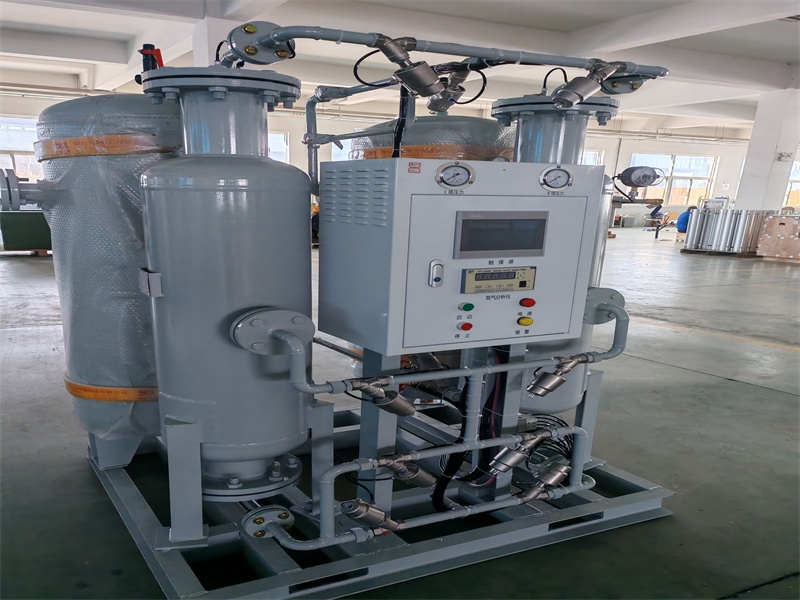
Tank rental is another expense that many businesses overlook. Liquid nitrogen requires a cryogenic storage tank, and many suppliers provide tanks through rental agreements. Although renting avoids a large upfront purchase cost, monthly or yearly rental fees continue throughout the entire service period. The factory also needs enough space for the tank installation and must follow safety requirements for storage areas.
For example, a food processing factory using liquid nitrogen for freezing applications found that its nitrogen purchase cost was only part of the total expense. After adding tank rental, delivery charges, inspection fees, and labor for managing the supply, the yearly cost was much higher than expected. By reviewing its nitrogen demand, the factory started exploring an on-site nitrogen solution for processes that did not require liquid nitrogen temperatures.
On-site nitrogen equipment can reduce many of these extra costs because nitrogen is produced directly at the factory. There is no need to schedule frequent deliveries or depend on rented storage tanks. The factory only pays for electricity, routine maintenance, and replacement parts based on actual operation.
For companies working with a limited budget, understanding these hidden expenses is important before choosing a nitrogen supply method. A detailed comparison between liquid nitrogen costs and on-site generation costs helps businesses find a solution that fits both current production needs and long-term financial plans.
Real Payback Period Cases for Small & Medium Factories Switching to Nitrogen Generators
For many small and medium factories, the biggest question before buying a nitrogen generator is not only the equipment price but also how long it takes to recover the investment. A payback period calculation helps companies understand whether switching from cylinder or liquid nitrogen supply is financially practical. In most cases, the result depends on current nitrogen consumption, working hours, energy costs, and equipment selection.
A metal fabrication factory is a good example. The company used around 80 nitrogen cylinders every month for laser cutting. Each cylinder, including delivery costs, cost about $30. The monthly nitrogen expense was around $2,400, which meant an annual cost of nearly $28,800. After checking its production needs, the factory installed a small PSA nitrogen generator with a suitable output capacity. The total equipment investment was about $18,000. After including electricity and routine maintenance costs, the factory saved around $12,000 per year. The estimated payback period was about 18 months.
Another example comes from an electronics assembly workshop. The company needed nitrogen for soldering protection but had lower gas consumption compared with heavy industries. Instead of choosing a large system, the company selected a compact nitrogen generator based on actual demand. The investment was lower, and the savings came mainly from reducing cylinder delivery fees and avoiding production delays caused by empty cylinders. The company recovered its investment in about two years.
These examples show why correct sizing is important. A factory with high nitrogen usage may recover the investment faster because it replaces more expensive gas supply costs. However, a company with lower consumption should avoid purchasing an oversized unit because the savings may not cover the equipment cost quickly.
When calculating the payback period, factories should compare several factors: current nitrogen expenses, equipment purchase cost, electricity usage, maintenance requirements, and expected operating years. A nitrogen generator is a long-term investment, so the goal is not only to achieve a quick return but also to create a more stable and predictable gas supply.
For businesses with limited budgets, a customized nitrogen unit can make the investment easier to manage. Choosing the right capacity and avoiding unnecessary features allows small and medium factories to reduce costs while still gaining the advantages of on-site nitrogen production.
Economic Advantages of Nitrogen Generators for High-Purity Gas Scenarios
Many industries require high-purity nitrogen to protect product quality and maintain stable production results. Electronics manufacturing, pharmaceutical production, food packaging, and precision metal processing often need nitrogen with very low oxygen levels. While bottled or liquid nitrogen can provide high purity, the long-term supply cost may become expensive when gas demand increases. For these applications, an on-site nitrogen generator can offer better cost control by producing nitrogen directly according to production needs.
One major economic advantage is the reduction of repeated gas purchasing costs. High-purity nitrogen usually comes at a higher price because suppliers need to process, store, and transport the gas under strict conditions. Factories that use nitrogen every day may spend a large amount of money on continuous deliveries. With an on-site generator, the main operating cost changes from buying gas to paying for electricity and routine maintenance.
For example, a semiconductor parts manufacturer needed high-purity nitrogen for cleaning and packaging processes. The company used nitrogen cylinders and had to arrange frequent deliveries to avoid production interruptions. After reviewing its yearly gas expenses, the company installed a nitrogen generator designed for its required purity level. Although the equipment required an initial investment, the factory reduced delivery costs and gained a more stable nitrogen supply.
Another benefit is better control over nitrogen usage. Traditional gas supply methods often require factories to order fixed cylinder quantities or liquid nitrogen volumes. If production demand changes, companies may either have unused gas capacity or face shortages. A properly designed nitrogen generator can adjust production according to actual consumption, helping reduce waste.
High-purity applications also require reliable gas quality. Unstable Nitrogen machine supply can affect product performance and create additional costs from rejected products or production delays. Producing nitrogen on-site allows factories to monitor gas purity and maintain consistent output.
For companies with limited budgets, investing in a nitrogen generator does not always mean choosing the most advanced or expensive system. The better approach is to match the equipment with actual purity requirements, flow rate, and working schedule. A customized nitrogen solution can help high-purity industries lower long-term costs while maintaining the gas quality needed for their processes.
Table of Contents
- Detailed Annual Cost Calculation of Cylinder Nitrogen Consumption
- Analysis of Long-Term Energy & Consumable Costs of On-Site Nitrogen Equipment
- Eliminate Hidden Expenses of Liquid Nitrogen Transport & Tank Rental
- Real Payback Period Cases for Small & Medium Factories Switching to Nitrogen Generators
- Economic Advantages of Nitrogen Generators for High-Purity Gas Scenarios
Wei Fang Wei Shi Xin Gas Equipment Co., Ltd. was established in July 2003. It is located at No.5111 Yingqian Street, Weifang National High-tech Development Zone, Shan Dong Province. The company covers an area of 20000 square meters and has a building area of 11,000 square meters. It is a specialized company that specializes in the research and development production of pressure swing adsorption and membrane separation nitrogen, oxygen and gas boosting, purification and other equipment.