 EN
EN  AR
AR NL
NL FR
FR HI
HI KO
KO PT
PT RU
RU ES
ES TL
TL ID
ID VI
VI TH
TH TR
TR MS
MS SW
SW UR
UR BN
BN HA
HA KM
KM LO
LO PA
PA YO
YO MY
MY SI
SI AM
AMBuying a nitrogen generator is a major decision for many factories because the right system can affect production stability, product quality, and daily operating costs. However, many buyers focus only on the machine size or price and overlook the key parameters that decide whether the generator can meet their real needs. Before placing an order, factories need to clearly understand their nitrogen demand, purity level, pressure requirements, and operating conditions. A careful check of these details helps avoid problems such as insufficient gas supply, unstable production, or unnecessary energy consumption after installation. Knowing what to confirm before buying makes the selection process easier and more reliable.
Match Corresponding PSA Nitrogen Equipment by Capacity & Purity
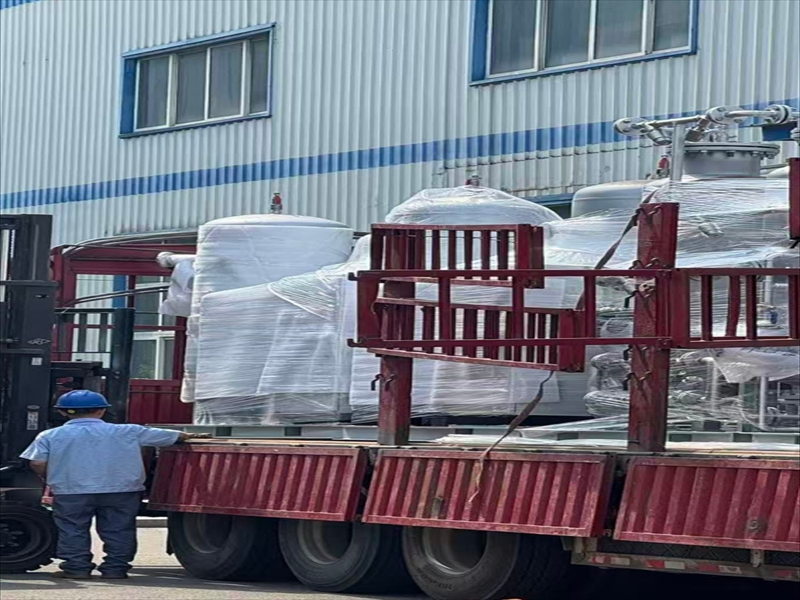
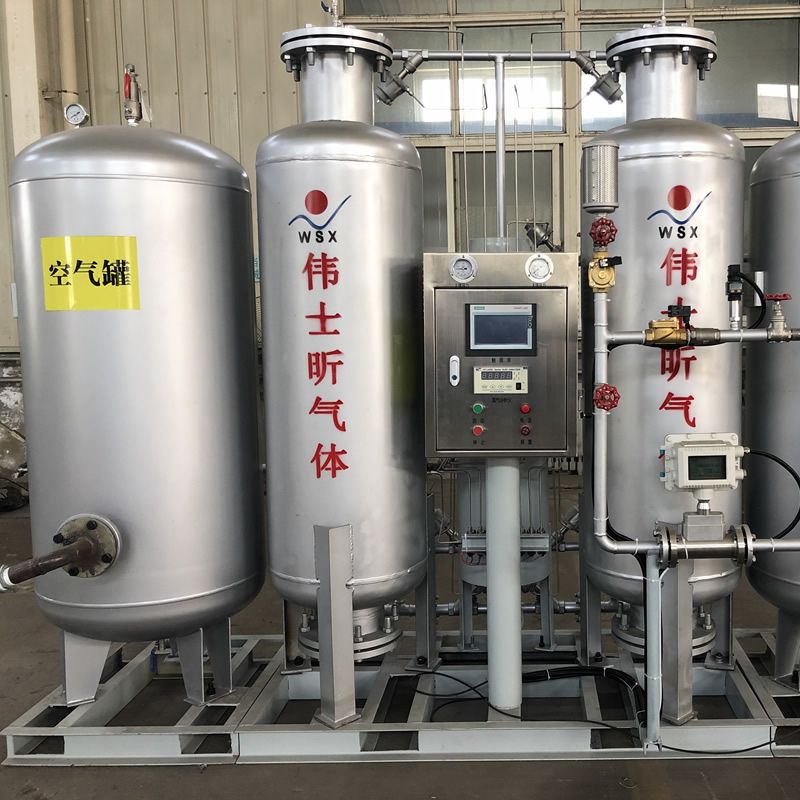
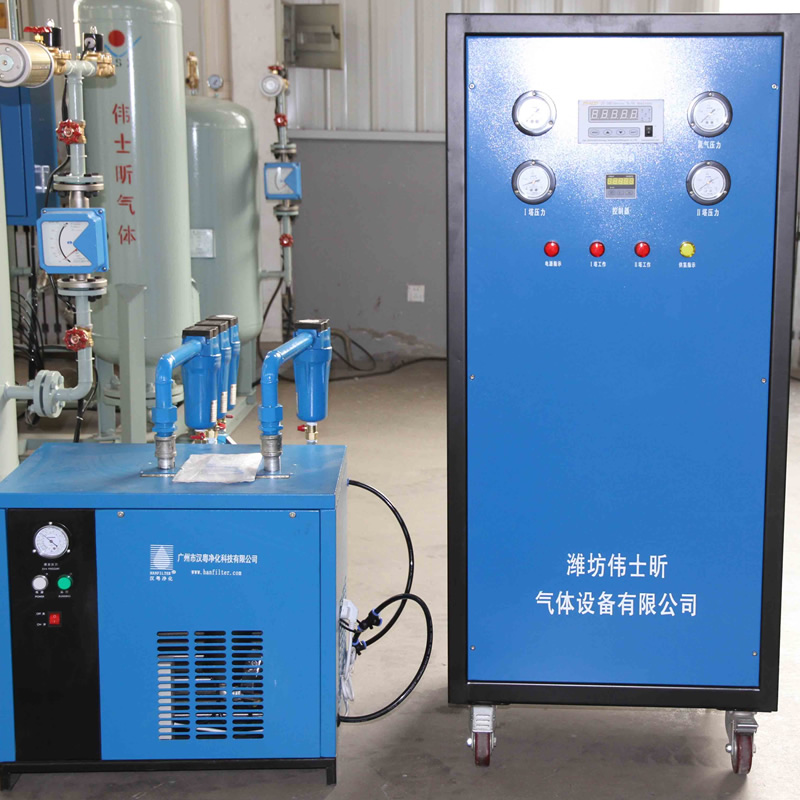
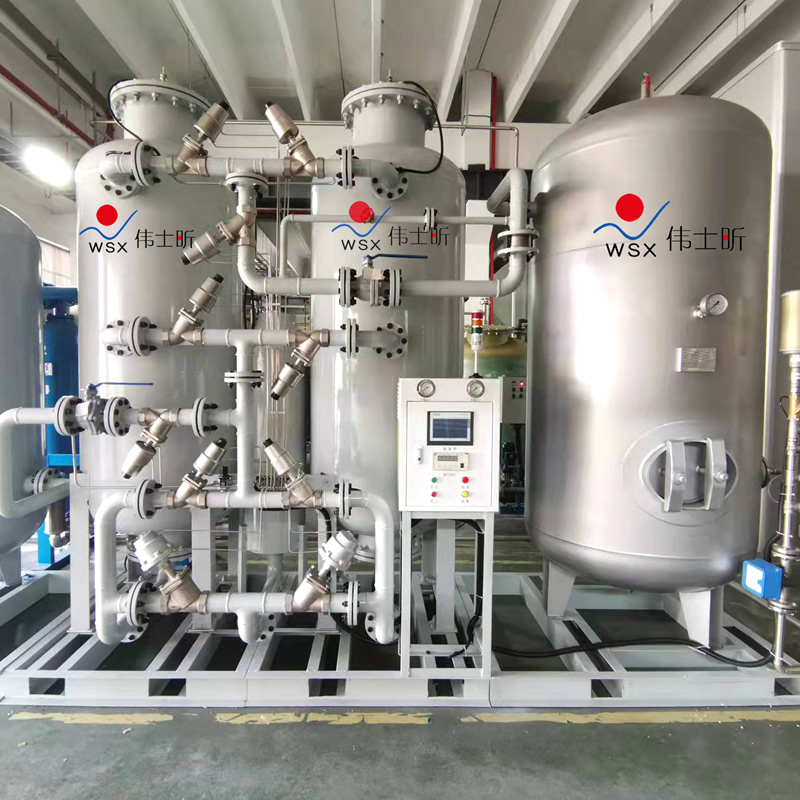
When selecting a PSA nitrogen generator , factories need to match the equipment with their actual nitrogen capacity and purity requirements. Different industries use different amounts of nitrogen, and the required purity level can also vary greatly. A food packaging factory may only need nitrogen with moderate purity for freshness protection, while an electronics factory may require extremely high purity to protect sensitive components during production. Choosing equipment with too much capacity or higher purity than needed can increase investment and energy costs. On the other hand, a system with insufficient output may interrupt production. The key is to check daily nitrogen consumption, peak demand, and purity standards before deciding on the right PSA nitrogen equipment.
The first step is to calculate how much nitrogen the factory uses during normal operation. This is usually measured in cubic meters per hour (Nm³/h). Buyers should not only look at average usage but also consider periods when several machines operate at the same time. For example, a metal heat treatment plant may use nitrogen continuously during the day, but demand can rise when multiple furnaces start together. In this case, choosing a generator based only on average consumption may cause low pressure or unstable supply during busy periods.
Purity is another important factor when matching a PSA nitrogen generator. PSA systems use carbon molecular sieve materials to separate oxygen from nitrogen, and the purity level can be adjusted based on production needs. Many general applications, such as tire inflation or basic metal processing, may work well with lower purity nitrogen. However, industries like semiconductor manufacturing, pharmaceutical production, and precision electronics often need higher purity levels because even small amounts of oxygen or moisture can affect product quality.
Factories should also consider future growth when selecting equipment. A company that plans to add new production lines within a few years may choose a system with some extra capacity rather than replacing the generator later. However, oversizing too much can cause inefficient operation because the equipment may run below its ideal working range.
A practical approach is to collect production data first, including nitrogen flow rate, working pressure, purity requirement, and operation hours. Then, compare these details with the specifications provided by nitrogen generator suppliers. This simple preparation helps factories choose a PSA nitrogen system that fits their current needs while leaving room for future development.
Application Scenarios of Small, Medium & Large Industrial Nitrogen Generators

The size of an industrial nitrogen generator should match the factory's production scale and gas demand. Small, medium, and large nitrogen gas generator each have their own suitable application areas. A small system may be enough for a workshop with limited nitrogen use, while a large production plant may require a high-capacity unit that can run continuously for many hours. Choosing the right size helps factories maintain stable nitrogen supply without spending extra money on unnecessary capacity. Before making a decision, buyers should look at their production process, working hours, nitrogen consumption, and future expansion plans to find the most suitable equipment type.
Small nitrogen generators are commonly used in businesses with lower nitrogen demand or smaller production areas. They are often found in laboratories, small food packaging facilities, laser cutting workshops, and small metal processing operations. For example, a small food company that packs coffee or snacks may install a compact nitrogen generator to replace nitrogen cylinders. This allows them to produce nitrogen on-site instead of waiting for gas deliveries. Small units usually take up less space and are easier to install, making them a practical choice for factories with limited room.
Medium-sized nitrogen generators are suitable for factories with regular production schedules and moderate nitrogen consumption. These systems are often used in industries such as electronics assembly, automotive parts manufacturing, metal heat treatment, and chemical processing. A factory producing electronic components, for example, may need a steady nitrogen supply for soldering processes to reduce oxidation. A medium system can provide a more stable gas flow compared with bottled nitrogen while supporting multiple production machines at the same time.
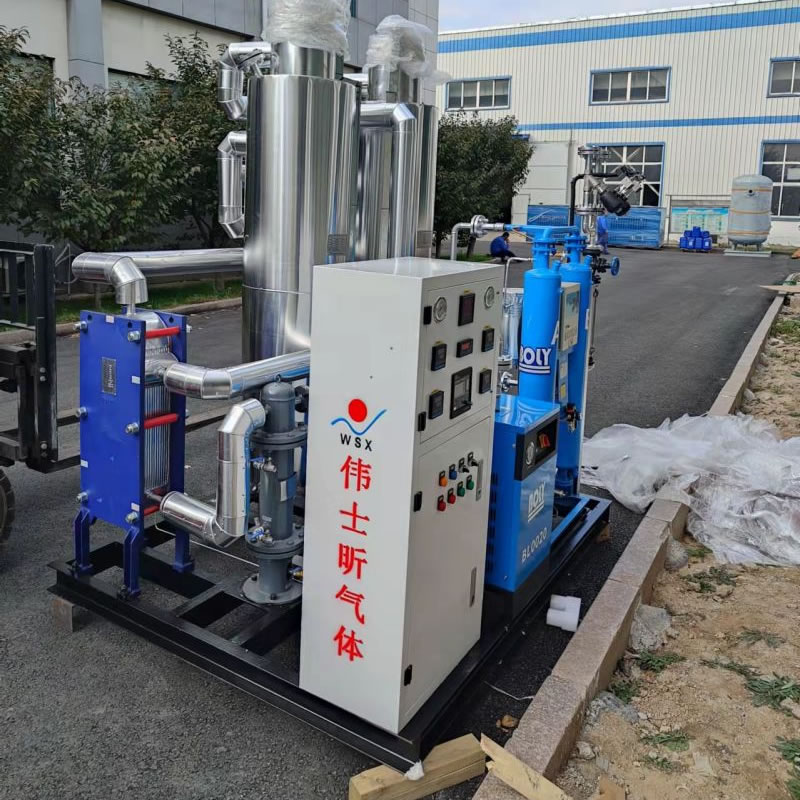
Large industrial nitrogen generators are designed for heavy-duty applications that require continuous and high-volume nitrogen supply. Large factories in industries such as steel production, petroleum processing, semiconductor manufacturing, and large-scale chemical plants often depend on these systems. A steel factory using nitrogen for furnace protection may need a large generator that operates around the clock to maintain production safety and quality.
When selecting between small, medium, and large nitrogen generators, factories should avoid choosing only based on current demand. It is better to review future production plans, possible equipment expansion, and daily operating conditions. The right generator size can provide stable nitrogen supply, reduce operating difficulties, and support long-term factory development.
Key Points to Avoid Pitfalls for Overseas Factory Nitrogen Generator Purchase
When overseas factories purchase nitrogen generators, the buying process involves more than comparing prices and equipment appearance. Different suppliers may offer systems with different designs, components, and service standards, which can make it difficult to judge the real value of a product. A wrong choice may lead to problems such as unstable nitrogen purity, higher energy costs, difficult maintenance, or delays caused by missing spare parts. Before confirming an order, buyers should carefully check technical details, supplier experience, after-sales support, and shipping requirements. Taking time to review these points can help factories avoid common purchasing mistakes and build a more reliable nitrogen supply system.
One common mistake is focusing only on the initial purchase price. A cheaper nitrogen generator may use lower-quality components or have limited control functions, which can increase repair costs later. For example, a factory that purchased a low-cost system without checking the air compressor matching requirements found that the generator could not maintain stable nitrogen output during peak production hours. The factory eventually had to spend extra money on upgrades. Looking at the complete operating cost, including electricity use, maintenance, and spare parts, gives a clearer picture of the real investment.
Buyers should also confirm the technical specifications carefully before placing an order. Important details include nitrogen output capacity, purity level, working pressure, air consumption, and power requirements. Some suppliers may highlight the highest possible performance of their equipment, but the actual working conditions may be different. Factories should ask for performance data under normal operating conditions instead of only checking maximum values.
Another key point is checking supplier support for overseas customers. A industrial nitrogen generator is a long-term production tool, so access to technical guidance and replacement parts is important. Buyers should ask whether the supplier can provide installation instructions, operation manuals, remote support, and spare parts after delivery. For factories located far from the supplier, these services can reduce downtime when problems happen.
Shipping and installation details should also be discussed early. Overseas purchases involve transportation, customs procedures, voltage standards, and local installation conditions. Confirming these details before shipment helps prevent delays and unexpected costs.
A careful purchasing process allows overseas factories to avoid many common problems. By checking equipment performance, supplier reliability, and long-term operating needs, buyers can select a nitrogen generator that supports stable production instead of creating extra challenges.
Complete Purchasing & Selection Guide for Nitrogen Generators
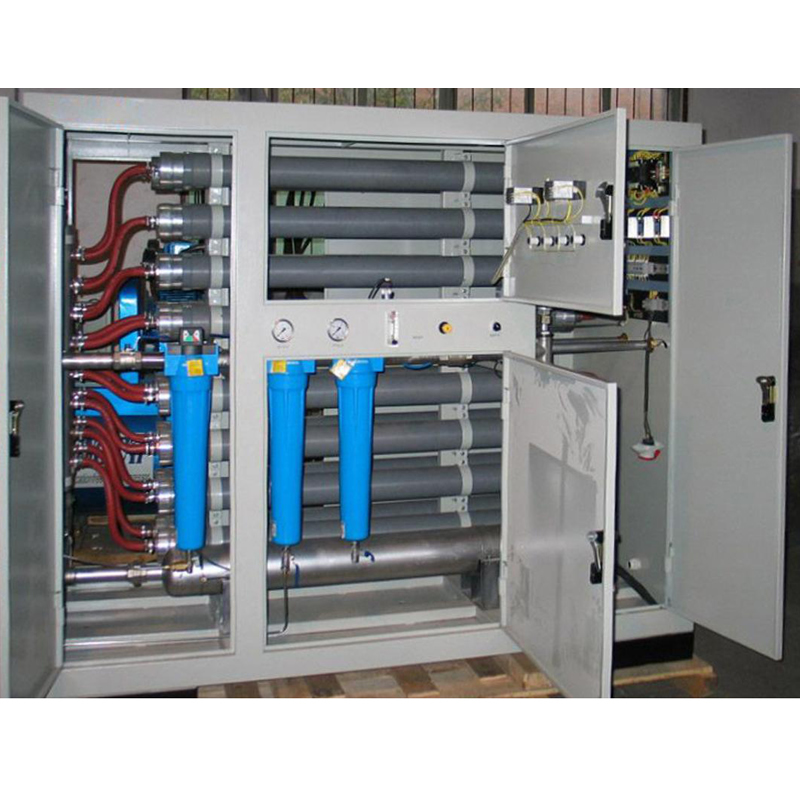
Purchasing a nitrogen generator requires careful planning because the equipment will directly affect production stability, operating costs, and product quality. Many factories start by comparing equipment prices, but the right selection depends on several factors, including nitrogen demand, purity requirements, working conditions, and maintenance needs. A generator that fits one factory may not be suitable for another. For example, a food packaging company and a metal heat treatment plant may both use nitrogen, but their flow rate and purity requirements can be very different. A complete selection process helps buyers choose equipment that matches their production needs and avoids problems after installation.
The first step is to understand the factory's nitrogen usage. Buyers should check how much nitrogen is needed per hour, how many hours the system will operate each day, and whether demand changes during different production periods. Choosing a generator with too little capacity may cause unstable gas supply, while selecting an oversized system may increase equipment and energy costs. Reviewing current usage and future expansion plans can help determine the right capacity.
Purity requirements should also be confirmed before purchasing. Different industries have different nitrogen standards. General applications such as tire filling or basic packaging may work with standard purity levels, while industries like electronics, pharmaceuticals, and precision manufacturing often require higher purity nitrogen. The buyer should clearly define the required oxygen content level instead of simply choosing the highest purity available.
The working environment is another factor that should not be ignored. Temperature, humidity, available installation space, and power supply conditions can affect generator performance. For overseas factories, voltage standards and local climate conditions should be discussed with the supplier before shipment. Proper preparation can prevent installation problems later.
In addition, choosing the right supplier is also an essential stage in the purchasing process. It is necessary to assess their experience in production, technical capabilities, quality control system, and service policy. The supplier's main advantage of its production facilities is the ability to provide comprehensive information on the equipment's features, installation, operation, and maintenance.
Before finalizing an order, buyers should compare the complete solution rather than only the equipment price. Check the nitrogen output, purity stability, energy consumption, spare parts availability, and service support. A well-planned purchase helps factories receive a nitrogen generator that meets production needs, reduces operating risks, and provides stable performance for long-term use.
Wei Fang Wei Shi Xin Gas Equipment Co., Ltd. was established in July 2003. It is located at No.5111 Yingqian Street, Weifang National High-tech Development Zone, Shan Dong Province. The company covers an area of 20000 square meters and has a building area of 11,000 square meters. It is a specialized company that specializes in the research and development production of pressure swing adsorption and membrane separation nitrogen, oxygen and gas boosting, purification and other equipment.